Creating a life your family loves is about more than planning exciting vacations, choosing the perfect home, or filling the calendar with memorable activities. The most meaningful family life often comes from practical decisions that make everyday routines easier, more comfortable, and more enjoyable. From choosing the right school to maintaining the house, supporting healthy habits, and making room for individual interests, small choices can have a lasting effect on how a family experiences daily life.
A family-friendly lifestyle should work for the people who actually live it. That means considering schedules, priorities, responsibilities, comfort, education, hobbies, and unexpected challenges. In this article, we will explore practical ways families can create an environment that supports connection, convenience, personal growth, and long-term well-being.
Build Routines That Work For Everyone
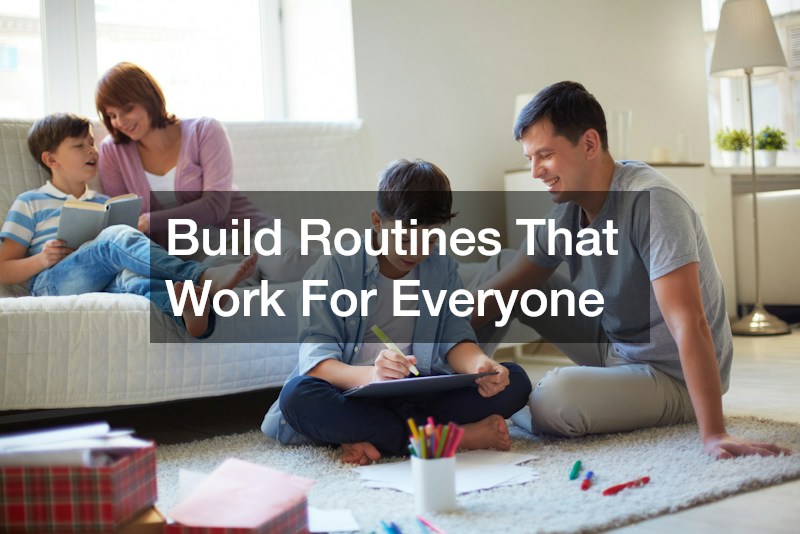
A good family routine provides structure without making every day feel rigid. Children benefit from knowing what to expect, while parents can reduce the number of decisions they have to make throughout the day. Simple routines around mornings, meals, homework, chores, and bedtime can help everyone move through busy days with less stress.
The key is to create routines that fit your household rather than copying another family’s schedule. A family with young children may need predictable morning and bedtime routines, while families with older children may need more flexibility around school, sports, work, and social activities.
It can also help to involve children in age-appropriate household responsibilities. Giving everyone a role reinforces the idea that maintaining a happy home is a shared effort. Even simple tasks, such as putting away belongings, helping prepare meals, or caring for outdoor spaces, can teach responsibility while keeping the household organized.
Choose Education Based On Your Family’s Priorities
Education is one of the decisions that can have a significant influence on a child’s everyday experience. Families may consider public schools, charter schools, or private education depending on their goals, location, schedule, and educational preferences.
Parents exploring recommended private preschools may want to look beyond convenience and consider factors such as classroom environments, teacher qualifications, learning approaches, communication with families, and opportunities for social development. Visiting schools can provide valuable insight that is difficult to get from a website alone.
For some families, a non religious private school may provide an educational environment that aligns with their preferences while still offering a structured academic program. Families can compare schools based on curriculum, class size, extracurricular opportunities, student support, and the overall philosophy of the institution.
Older children may also have interests that extend beyond traditional academic subjects. Families looking at private schools offering performing arts can consider how programs in music, theater, dance, or other creative disciplines fit into the school’s broader educational experience.
The right educational environment is ultimately one that fits a child’s needs and a family’s priorities. Taking time to evaluate the options can make the school experience more rewarding for everyone.

Make The Home Easier To Live In
A comfortable home does not have to be enormous or perfectly decorated. It simply needs to support the way your family uses it. Think about where people naturally gather, where backpacks and shoes accumulate, where homework happens, and which areas seem to create the most clutter.
Small organizational changes can make a noticeable difference. Baskets near entryways can contain everyday items, while designated storage areas can prevent frequently used belongings from spreading throughout the house. Creating a consistent place for school supplies, sports equipment, shoes, and seasonal items can make busy mornings easier.
Comfort also depends on maintaining the home’s major systems. A neglected problem can quickly turn into an expensive disruption, particularly when several people depend on the house every day. Regular inspections and timely repairs can help prevent minor concerns from becoming larger household emergencies.
Keep Up With Major Home Maintenance
Home maintenance is one of those responsibilities that may not feel particularly exciting, but it plays an important role in protecting the family’s comfort. Creating a seasonal maintenance checklist can help homeowners keep track of tasks that are easy to overlook.
The roof deserves particular attention because it protects the rest of the home from weather exposure. Depending on the roof’s age and condition, repairs may eventually become insufficient, making roof replacement a consideration. Planning for a major project before a serious failure occurs may give homeowners more time to evaluate materials, costs, and contractors.
Heating and cooling systems also influence everyday comfort. When an older system becomes unreliable or inefficient, homeowners may eventually consider AC installation as part of a larger plan for maintaining a comfortable indoor environment.
Plumbing deserves the same proactive approach. Slow drains, unusual odors, dripping fixtures, or changes in water pressure can sometimes indicate issues that should be addressed. Establishing a relationship with a reliable plumbing company can make it easier to respond when a problem occurs.
These projects may not create instant excitement, but dependable home systems give families something valuable: fewer avoidable disruptions.

Create Spaces For Health And Movement
A life your family loves should include opportunities to move, rest, and take care of physical well-being. Healthy habits do not necessarily require an elaborate fitness plan. Walking together, riding bikes, playing outside, stretching, gardening, or participating in recreational activities can all encourage movement.
Families can make physical activity easier by keeping equipment accessible and choosing activities that members genuinely enjoy. A child who dislikes organized sports may enjoy swimming, dancing, hiking, or another activity. Adults can benefit from the same approach.
When someone is recovering from an injury or dealing with movement limitations, professional support may also be appropriate. Physical therapy clinics can provide services designed around specific physical needs, helping individuals work toward improved mobility, strength, or function.
Health also includes rest. Families sometimes try to maximize every available hour, but constantly filling the schedule can leave everyone exhausted. Protecting downtime can give children and adults space to recharge.
Plan For The Unexpected
Even the most organized household will encounter surprises. A vehicle may break down, an appliance may stop working, or a home system may suddenly need attention. Preparing for these situations does not mean expecting something to go wrong; it simply means reducing the disruption when something does.
Families can create a small emergency plan that includes important phone numbers, insurance information, basic supplies, and instructions for common household situations. Parents may also want to make sure older children know what to do if they become separated from the family or encounter a minor emergency.
Transportation emergencies are another practical consideration. Knowing which towing service to contact if a vehicle becomes disabled can save time and stress when a problem occurs.
A little preparation can make unexpected situations feel more manageable. It also helps children learn that problems can be handled one step at a time.

Make Moving Less Disruptive
Families sometimes need to relocate because of a new job, a growing household, changing educational needs, or a desire for a different community. Moving can be exciting, but it can also interrupt routines and create significant logistical demands.
When comparing the best movers, families should consider more than the price of the estimate. Services offered, experience, insurance coverage, scheduling, communication, and customer reviews can all be useful factors to examine.
Children may have mixed feelings about moving, particularly if they are leaving behind friends, familiar surroundings, or favorite places. Giving them age-appropriate information and allowing them to participate in certain decisions can make the transition feel less overwhelming.
It can also help to maintain familiar routines during the transition whenever possible. Keeping favorite belongings accessible, preserving regular meal and bedtime routines, and establishing a sense of normalcy can provide reassurance while everyone adjusts.
Make Outdoor Areas Family-Friendly
Outdoor spaces can become an extension of the home, particularly when they are designed around how the family actually spends time together. A backyard does not need elaborate features to become useful. Comfortable seating, shade, lighting, gardening areas, or an open space for games can be enough to encourage people to spend more time outside.
Gardening can be especially useful as a family activity. Children can help plant flowers, herbs, fruits, or vegetables and learn about patience and responsibility as they watch things grow. Adults can use gardening as a relaxing hobby while creating a more inviting outdoor environment.
Families with outdoor furniture or equipment should also think about protection from weather. Choosing best waterproof covers for appropriate outdoor items can help protect belongings from rain and moisture between uses.
The goal is not to create an outdoor space that looks perfect. It is to create one that people actually want to use.
Give Everyone Room For Individual Interests
Family connection does not mean everyone has to enjoy the same things. A healthy household can make room for shared experiences while allowing individual interests to develop.
One child may love music, another may prefer science, and another may spend hours drawing or building things. Parents can support these interests without turning every hobby into a competition or achievement.
Families can establish a few shared traditions while leaving room for personal time. A weekly movie night, weekend breakfast, evening walk, or monthly outing can provide predictable opportunities to reconnect. At the same time, individual hobbies give family members space to develop confidence and independence.
This balance can make family time feel more meaningful because togetherness becomes something everyone participates in rather than something that feels forced.
Spend Money According To What Matters
Creating a fulfilling family life does not necessarily mean spending more money. It often means deciding where available resources provide the most value.
Families can evaluate recurring expenses and distinguish between things that genuinely improve daily life and things that simply take up space in the budget. Investing in a durable home improvement, educational opportunity, family experience, or activity that everyone enjoys may have more practical value than constantly purchasing things that quickly lose their appeal.
It can also be helpful to plan for predictable expenses. School costs, home maintenance, vehicle repairs, seasonal activities, and family trips can all be easier to manage when they are included in a broader household budget.
Financial planning should still leave room for enjoyment. A budget that eliminates every small pleasure may be difficult to maintain. The goal is to create a balance between responsible planning and experiences that make family life enjoyable.
Protect Time For Connection
The practical side of family life can become so demanding that connection gets pushed aside. Work, school, appointments, errands, maintenance, and activities can fill a calendar quickly.
Family connection does not always require a major event. Eating dinner together, talking during a walk, playing a board game, cooking together, or simply sitting down without phones for a few minutes can create opportunities for conversation.
Parents can also make a habit of asking open-ended questions rather than relying on questions that produce one-word answers. Asking children what made them laugh, what challenged them, or what they are looking forward to can encourage more meaningful conversations.
As children grow, these small habits can help preserve communication even as their schedules and interests change.
Build A Lifestyle That Can Adapt
The family lifestyle that works today may not work forever. Children grow, jobs change, homes require different types of maintenance, and interests evolve. Rather than trying to create a perfect permanent routine, families can build systems that are flexible enough to change.
Every few months, it can be useful to review the household schedule and ask what is working and what is creating unnecessary stress. Maybe an activity no longer fits the family’s priorities. Perhaps a storage system needs to be changed because the children have grown. A home maintenance project may need to move higher on the priority list.
Making adjustments is not a sign that a family plan failed. It is part of maintaining a life that continues to fit the people living it.
Create A Life That Feels Like Yours
A family does not need to follow someone else’s definition of a fulfilling life. What matters most is creating a household where practical needs are addressed while everyone has opportunities to learn, grow, relax, and connect.
Thoughtful school decisions, manageable routines, well-maintained living spaces, healthy activities, financial planning, and preparation for unexpected situations can all contribute to that goal. None of these choices has to be perfect. Together, however, they can create a foundation that makes everyday life feel more manageable and meaningful.
The practical side of family life is ultimately about making intentional choices that support the people you care about. By paying attention to what your household needs now while remaining flexible about what may change later, you can create a lifestyle that gives your family more opportunities to enjoy the life you are building together.