Getting kids to trade screens for sunshine does not happen by accident. It happens when the backyard itself becomes a place worth exploring, relaxing in, and returning to day after day. The good news is that you do not need a sprawling estate to make this happen, just a handful of intentional upgrades that make outdoor time comfortable, safe, and genuinely fun. This guide walks through the practical, family-friendly changes that turn an ordinary yard into the place your kids actually want to be.
Keep the Swimming Pool Water Clean and Kid-Safe
A backyard pool is often the single biggest draw for kids, but only if the water actually feels good to swim in. Harsh chemical smells, cloudy water, or skin irritation will send children running back inside faster than any tablet or video game. Many families are turning to reverse osmosis for swimming pool water as a way to strip out dissolved solids, metals, and excess chemicals that build up over time, leaving water that feels noticeably softer and gentler on young skin and eyes.
This approach works especially well for households dealing with hard water or high total dissolved solids, since it resets the water chemistry rather than just masking problems with more chemicals. Cleaner water also means less eye and skin irritation, which makes kids far more willing to jump in and stay in longer.
Parents can make the pool more appealing by keeping towels, goggles, sunscreen, and water toys in one easy-to-reach area. When children can get ready without searching the house for supplies, spontaneous swimming becomes easier and outdoor time feels less like a chore.
- Softer-feeling water that is easier on sensitive skin and swimsuits
- Reduced chemical odor compared to standard chlorine-only treatment
- Fewer add-on chemicals needed once dissolved solids are removed
- A noticeably clearer, more inviting pool for daily swims

Know When a Pool Needs Resurfacing
Rough, chipped, or discolored pool surfaces are not just a cosmetic issue, they can actually scrape little feet and hands, which is a fast way to make a child avoid the pool altogether. If your pool surface has become sandpapery to the touch or you notice stains that will not scrub away, it is worth looking into a pool resurfacing service before another summer goes by. A smooth, freshly finished surface makes the pool safer and far more inviting for barefoot kids running and playing.
Resurfacing also extends the life of the pool itself, protecting the structure underneath from further wear. Most homeowners are surprised at how much brighter and more welcoming a pool looks once the surface has been redone, which can single-handedly revive a family’s enthusiasm for outdoor swim time.
Resurfacing can also be an opportunity to rethink the pool’s look. A lighter finish can make the water appear brighter, while updated coping or surrounding surfaces can create a cleaner transition between swimming and lounging areas where the family spends time together.
- Rough or pitted texture that catches on skin or swimsuits
- Persistent staining that will not respond to normal cleaning
- Visible cracks or areas where the finish is flaking off
- A pool that looks dull or gray instead of bright and inviting
Choose the Right Inground Pool Contractor for Family Needs
If your family is considering adding a pool rather than fixing an existing one, the contractor you choose will shape how kid-friendly the final result actually is. A good inground pool contractor will ask about your children’s ages, swimming abilities, and how the space will be used day to day, then design depth zones, steps, and seating accordingly. This kind of planning matters more than most families realize, since a pool built without kids in mind can end up feeling more like a hazard than a hangout spot.
Think beyond the pool basin when discussing the project. Ask how fencing, lighting, decking, storage, and seating can work together so the finished area supports supervision and everyday use. A coordinated layout can make the backyard easier for children and adults to navigate.
- Experience designing shallow zones or splash pads for young children
- Willingness to discuss slip-resistant decking and gradual entry steps
- Clear communication about timelines and safety features during construction
- References from other families with similar backyard layouts

Schedule Routine Pool Services Before Summer Hits
Even a well-built pool needs consistent upkeep to stay appealing, and this is where routine pool services make a real difference. Regular filter checks, water testing, and equipment tune-ups prevent the kind of surprise breakdowns that can shut a pool down right when kids want to use it most. Scheduling these visits before the weather warms up means small issues get caught before they turn into a closed pool for weeks.
Beyond the mechanical side, professional upkeep also covers water balance, which directly affects comfort for swimmers. Kids are far more likely to want to jump in a pool that is consistently clear and properly balanced rather than one that only gets attention once something visibly goes wrong.
Keeping a maintenance calendar can help families stay ahead of routine care. Mark filter cleanings, water tests, service visits, and seasonal tasks so important upkeep does not slip through the cracks. It also helps parents know when the pool should be ready for heavy use.
- Filter and pump inspections done on a predictable schedule
- Water testing to catch pH or chlorine imbalances early
- Seasonal opening and closing support to protect equipment
- Quick response when something needs repair mid-season
Add a Screened Patio for Bug Free Family Time
Bugs, direct sun, and sudden rain showers are some of the biggest reasons kids retreat indoors after just a few minutes outside. Installing a local patio screen enclosure creates a shaded, protected space where kids can play games, eat snacks, or do homework outside without being swarmed by mosquitoes. It also gives parents a comfortable spot to supervise from, which naturally leads to more outdoor hours for the whole family.
A screened patio bridges the gap between the house and the yard, making the transition outside feel less like a commitment and more like a natural extension of everyday life. Many families find that once this space exists, kids start doing things outside that used to happen exclusively at the kitchen table, from crafts to board games.
To make the enclosure more useful, furnish it for activities your family enjoys. A small table can become a craft or snack station, while weather-resistant seating gives older kids a place to read, talk, or cool down without leaving the outdoor environment.
- Protection from mosquitoes and other biting insects
- Shade that reduces sunburn risk during long play sessions
- A dry spot to keep playing even during light rain
- A comfortable viewing area for parents to supervise nearby activities
Set Up a Storage Shed for Outdoor Gear
One of the quietest reasons kids stop playing outside is simply that their gear is scattered, broken, or impossible to find. A dedicated storage shed keeps bikes, balls, water toys, and gardening tools organized and easy to grab, which removes a surprising amount of friction from getting kids outdoors. When equipment has a clear home, kids are more likely to pull it out themselves instead of asking a parent to dig through the garage.
A shed also protects gear from weather damage, meaning toys and tools last longer and look more appealing to use. Organizing the space with labeled bins or wall hooks specifically for kids’ items can turn grabbing a bike helmet or a jump rope into a five second task instead of a ten minute search.
Arrange the shed so children’s items sit at a safe, reachable height while adult tools remain higher or secured separately. This lets kids access approved gear independently without rummaging through equipment that was never intended for them to handle.
- Bikes and scooters stored off the ground to prevent tripping hazards
- Labeled bins for smaller items like chalk, balls, or water guns
- Weatherproof storage that protects wooden toys and cushions
- A designated spot for gardening tools if kids help with a family garden
Bring in a Local Arborist to Check Tree Safety
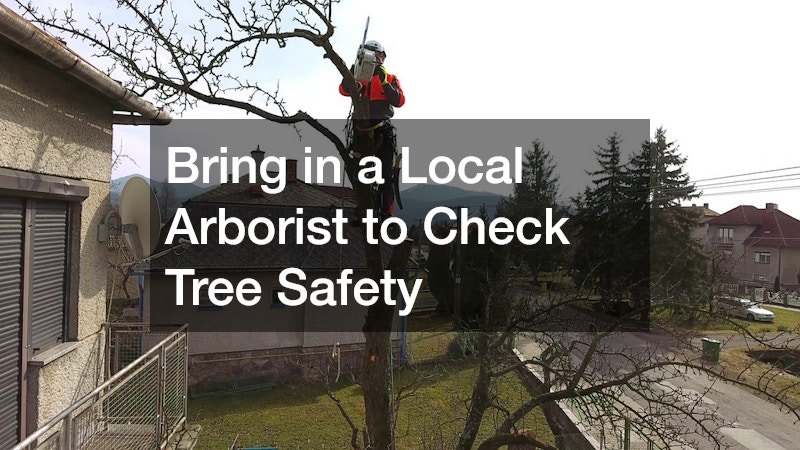
Big shade trees are often where kids build forts, hang swings, or just find a cool spot to sit on a hot day, but not every tree is structurally sound enough for that kind of activity. Having a local arborist inspect mature trees once a year can catch weak limbs, disease, or root damage before they become a safety issue. This is especially important if you are planning to hang a tree swing or build a treehouse, since the tree needs to handle real weight and movement.
An arborist can also recommend pruning schedules that keep trees healthy and full, which matters if shade is a big part of what makes your yard comfortable during summer play. Catching problems early is far cheaper and safer than dealing with storm damage or a falling limb later.
Tree care can improve how the yard functions beyond safety. Strategic pruning may open sightlines from the patio or kitchen window, making it easier for parents to watch outdoor play while preserving the shade that helps keep the space comfortable.
- Annual inspections for signs of disease or structural weakness
- Professional guidance before installing a swing or treehouse
- Pruning recommendations to maintain healthy canopy growth
- Early detection of pest issues that could kill a tree over time
Remove Hazardous Trees Before They Become a Problem
Sometimes a tree is too far gone to save, and in those cases waiting only increases the risk to kids playing nearby. A professional tree removal service can safely take down dead or dying trees without damaging fences, play structures, or nearby landscaping. Leaning trees, large dead branches, or trees with visible fungal growth near the base are all signs that removal should happen sooner rather than later.
Once a tree is removed, most services will also handle stump grinding, which clears the way for a flat, usable patch of yard instead of leaving a tripping hazard behind. Grinding the stump down also opens up space for new play equipment, a garden bed, or simply more open grass for running around.
After removal, think about how the newly opened area could serve the family. Depending on the size and location, it might become room for a picnic table, small sports zone, garden, or additional lawn where children can run without obstacles overhead.
- Leaning trees or ones with exposed, rotting roots
- Large dead branches hanging over play areas
- Fungal growth at the base signaling internal decay
- Stump grinding to reclaim usable yard space after removal
Refresh Play Areas with Fresh Mulch Each Season
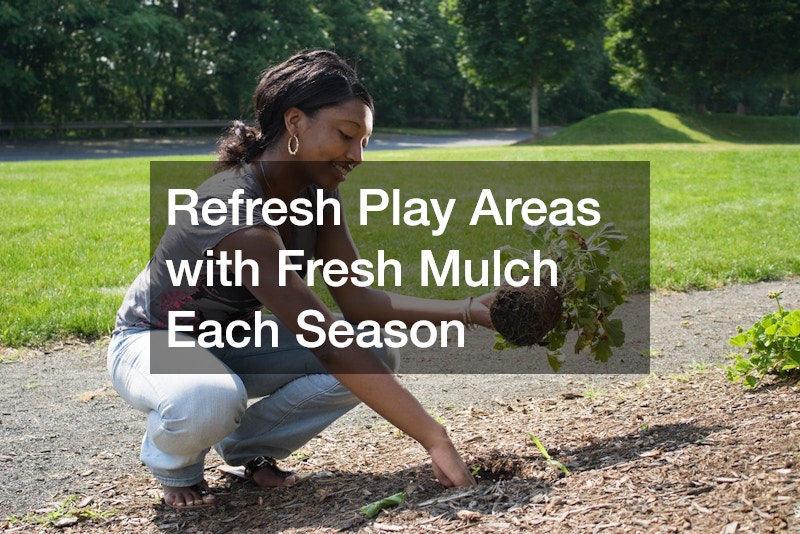
The ground underneath swings, sandboxes, and play structures matters just as much as the equipment itself, since a soft landing surface reduces injury from everyday tumbles. Reaching out to local mulch suppliers for a seasonal refresh keeps play areas cushioned and looking neat, rather than worn down to hard-packed dirt. Fresh mulch also helps control weeds around play borders, which keeps the space looking tidy and inviting all season long.
Beyond safety, a freshly mulched play area simply looks more cared for, and kids tend to respond well to spaces that feel intentional rather than neglected. Refreshing mulch once or twice a year, especially before summer and after winter, keeps the depth adequate for cushioning falls.
Before adding new material, check the borders around the play area and repair anything that has shifted or broken. Defined edges help keep mulch where it belongs and make routine raking easier, especially in high-traffic spots beneath swings, ladders, and slides.
- A cushioned layer under swings, slides, and climbing structures
- Weed control around the edges of play areas and garden beds
- A neater overall appearance that makes the yard feel finished
- Seasonal refreshing to maintain safe mulch depth over time
Turning a backyard into a place kids genuinely want to spend time takes a mix of comfort, safety, and a little bit of planning, but the payoff is a home life with far less screen time and far more fresh air. Start with the changes that address your family’s biggest barriers first, whether that is uncomfortable pool water, a cluttered gear situation, or a play area that has seen better days. Small, steady improvements add up quickly, and before long the yard becomes the default answer to “what should we do today” instead of the last resort.