
Key Takeaways
- Preparing for a new baby goes far beyond decorating a nursery: health care, safe sleep, finances, childcare and support at home all need planning.
- Start early. Many tasks, such as choosing a pediatrician, booking childcare and setting up insurance, take longer than expected.
- Safety comes first: a properly installed rear-facing car seat, a bare crib with a firm mattress and a babyproofed home protect a newborn from the most common risks.
- Families welcoming a child through adoption have extra legal steps, and the right legal guidance keeps the process on track.
- Childcare waiting lists can be months long, so start researching options during pregnancy or early in the adoption process.
- Planning ahead for the toddler years, including water safety, makes each new stage less stressful.
Few events change daily life as completely as bringing a new baby home. Between appointments, shopping lists and well-meaning advice from every direction, it is easy for expecting and adoptive parents to feel overwhelmed. The good news is that most of the work can be broken into clear, manageable steps and spread out over the months before the baby arrives.
This guide explains how to prepare for a baby from start to finish: the health and safety essentials, setting up the nursery, legal and financial tasks, childcare, the first weeks at home and planning for the years ahead. Each section links to a more detailed article for families who want to dig deeper into a specific topic.
Why Preparing for a New Baby Early Matters
The weeks after a baby arrives are full of feeding, sleeping in short stretches and adjusting to a new routine. There is very little time or energy left for research, comparison shopping or paperwork. Every task finished in advance is one less decision to make on very little sleep.
Early preparation also helps with tasks that have long lead times:
- Childcare in many areas has waiting lists of several months or more.
- Furniture and car seats can take weeks to arrive, and they need to be assembled and installed safely.
- Parental leave usually requires notice to an employer, along with paperwork for any benefits.
- Adoption involves home studies, legal filings and court dates that follow their own timelines.
Starting early does not mean doing everything at once. A simple timeline, organized by trimester or by the stages of an adoption, keeps the workload steady and avoids a last-minute rush.
Things to Do Before Baby Arrives
A clear list of things to do before baby arrives makes the whole process easier to manage. These are the core tasks most families need to cover:
- Choose a pediatrician. Many practices offer prenatal meet-and-greet visits. Ask about office hours, after-hours advice lines and how quickly newborns are seen.
- Buy and install a car seat. A rear-facing infant or convertible car seat is required to bring a baby home from the hospital. Many fire stations and certified child passenger safety technicians will check the installation for free.
- Set up a safe sleep space. A crib, bassinet or play yard that meets current safety standards, with a firm, flat mattress and a fitted sheet.
- Review health insurance. Most plans require adding a newborn within a set window after birth, often 30 days. Check the plan’s rules ahead of time.
- Plan parental leave. Confirm what leave is available, whether it is paid, and what notice the employer needs.
- Research childcare. Visit options, ask questions and join waiting lists early.
- Stock up on basics. Diapers, wipes, a few sets of newborn clothing, burp cloths and feeding supplies.
- Pack a hospital bag a few weeks before the due date.
- Prepare freezer meals or line up a meal train with friends and family.
- Arrange support for the first weeks, whether that is a partner taking leave, family visiting or a postpartum doula.
Health and Safety Essentials
Prenatal Care and Vaccinations
Regular prenatal visits are one of the most important parts of preparing for a new baby. These appointments track the health of both parent and baby and catch potential problems early. Health experts also recommend that pregnant people and close caregivers stay up to date on recommended vaccines, such as whooping cough (Tdap) and seasonal flu, to help protect a newborn who is too young to be fully vaccinated. A doctor or midwife can advise on the right schedule.
Safe Sleep Basics
Sleep-related deaths are a leading cause of death in babies under one year old, and safe sleep practices greatly reduce the risk. Guidance from the American Academy of Pediatrics includes:
- Always place the baby on their back to sleep, for naps and at night.
- Use a firm, flat mattress in a crib, bassinet or play yard that meets current safety standards.
- Keep the sleep space bare: no bumpers, pillows, blankets or stuffed toys.
- Share a room, but not a bed, ideally for at least the first six months.
- Avoid overheating; a sleep sack is a safer choice than loose blankets.
Car Seat Safety
A car seat only protects a baby when it is the right type and installed correctly. Infants should ride rear-facing in the back seat, never in front of an active airbag. Read both the car seat manual and the vehicle manual, and have the installation checked by a certified technician if possible. Avoid second-hand seats with an unknown history, since a seat that has been in a crash may no longer protect a child.
Babyproofing the Home
Newborns do not move much, but babies start rolling and crawling sooner than most parents expect. Basic babyproofing is easier to handle before the baby arrives:
- Anchor dressers, bookshelves and TVs to the wall with anti-tip hardware.
- Cover electrical outlets and secure cords from blinds and electronics.
- Set the water heater to 120°F or lower to reduce the risk of scalds.
- Install smoke and carbon monoxide detectors on every level and test them.
- Store medications, cleaning products and small objects out of reach.
- Plan for safety gates at the top and bottom of stairs once the baby starts crawling.
Setting Up the Nursery
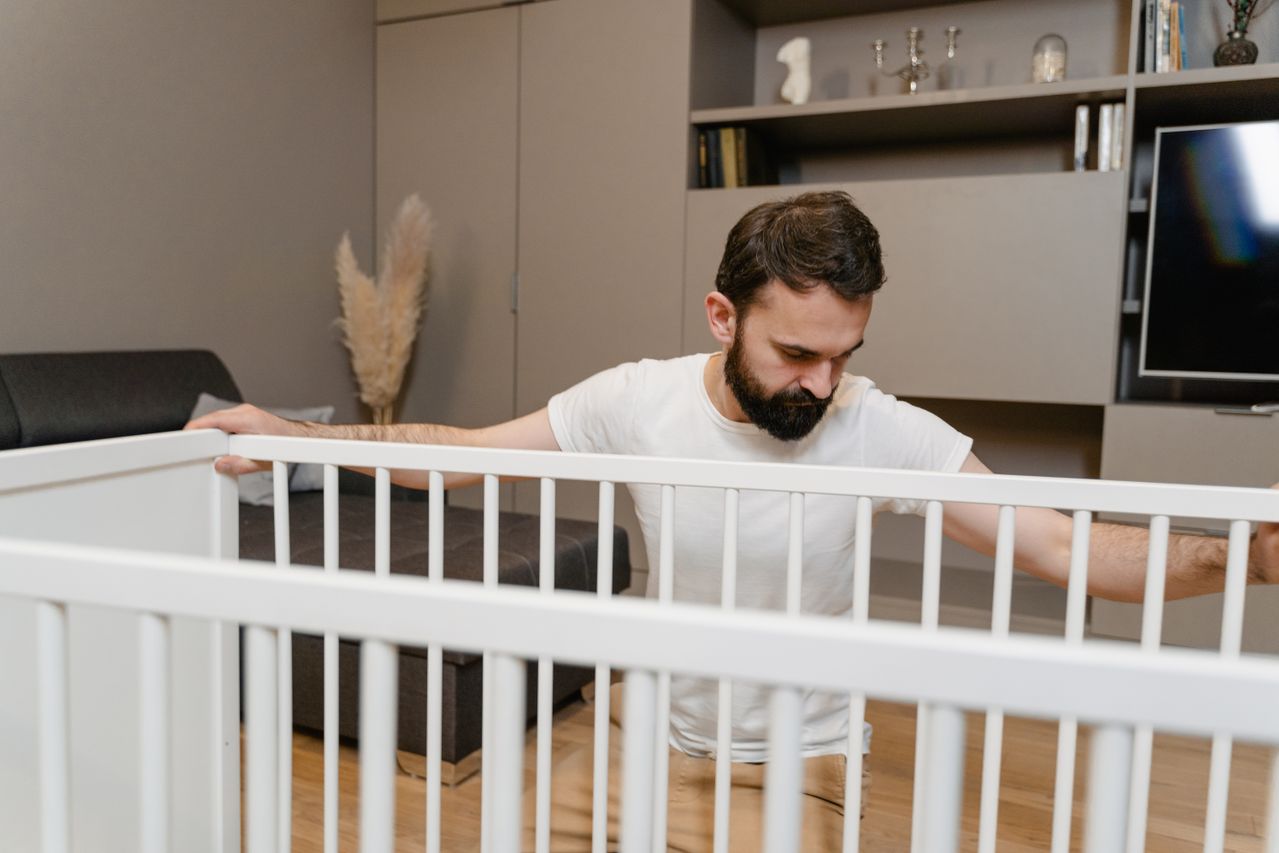
The nursery is often the most enjoyable part of preparing for a new baby, but function and safety should come before style. Start with three essentials: a safe place to sleep, a changing area and a comfortable chair for feeding and soothing. Measure the room first, plan clear walking paths for night-time trips and choose pieces that can adapt as the child grows.
For a detailed guide on cribs, dressers, gliders and budgeting, see this article on how to choose nursery furniture. A few key points:
- Crib: choose one that meets current safety standards, with an adjustable mattress height. Avoid drop-side cribs.
- Changing station: a sturdy dresser with a secured changing pad saves space and provides storage.
- Seating: a glider or comfortable armchair makes long feeding sessions easier.
- Storage: baskets and drawer organizers keep diapers, clothes and supplies within easy reach.
- Lighting: a dimmable lamp or night light makes night feedings calmer for both parent and baby.
Convertible cribs and dressers with removable changing toppers stretch the budget further, since they stay useful long after the newborn stage.
Preparing for a Baby Through Adoption
Families welcoming a child through adoption share most of the same preparation steps, plus a legal process that runs alongside them. Adoption permanently transfers parental rights, so every step needs to be handled correctly.
A common first question is do you need a lawyer to adopt a child. Legal help is strongly recommended in almost every case and required in many, especially for private, independent and international adoptions. An attorney explains state requirements, manages consents and paperwork, and represents the family at the finalization hearing.
The adoption process typically includes:
- Choosing an adoption path, such as agency, private, foster care, relative or international adoption
- Completing a home study with a licensed professional
- Matching and placement of the child
- Consent or termination of the birth parents’ rights
- Post-placement visits, which many states require
- A finalization hearing, after which an amended birth certificate can be requested
Because placement dates can be unpredictable, adoptive families often prepare the essentials early, including a car seat, a safe sleep space and basic supplies, so they are ready on short notice. Learning about the child’s background, routines and any medical needs also helps make the transition smoother.
Financial Planning for a New Baby
Babies bring new expenses, and planning ahead reduces stress. A simple budget for the first year might include:
- Recurring costs: diapers, wipes, formula or breastfeeding supplies, clothing in growing sizes and health care costs.
- One-time purchases: a car seat, crib, stroller, changing station and baby monitor.
- Childcare: often the largest ongoing expense for working parents.
- Income changes: unpaid or partially paid parental leave can reduce household income for several weeks or months.
A few ways to keep costs manageable:
- Build a small emergency fund before the baby arrives.
- Borrow or buy second-hand items such as clothing, bouncers and play mats, but buy cribs and car seats new or from a source you trust.
- Use a baby registry to coordinate gifts and avoid duplicates.
- Check whether an employer offers a dependent care flexible spending account, which can lower childcare costs.
- Review life insurance and update beneficiaries.
Choosing Childcare
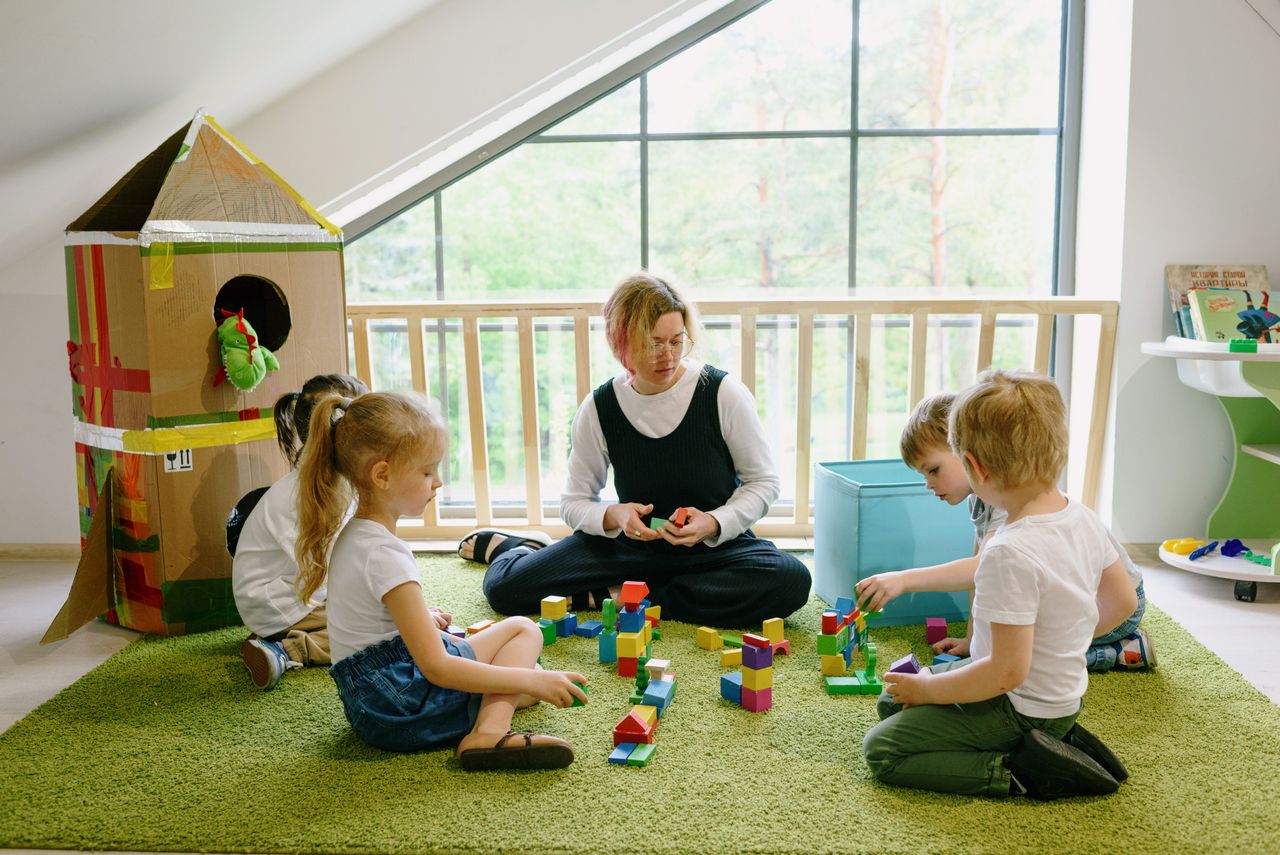
For parents returning to work, childcare is one of the most important decisions in the first year. Options include daycare centers, licensed home-based providers, nannies, nanny shares and family members. Each comes with different costs, schedules and levels of oversight.
Knowing what to look for in a daycare makes visits much more productive. The most important factors include:
- Licensing and inspections: confirm the facility is licensed and ask to see recent inspection reports.
- Staff-to-child ratios and group sizes: fewer children per caregiver means more individual attention, especially for infants.
- Staff qualifications and turnover: experienced, consistent caregivers help babies feel secure.
- Safe sleep and health policies: infants should always be placed on their backs to sleep in a bare crib.
- Communication: daily updates and an open-door policy for parents.
Start researching during pregnancy or early in the adoption process. Many centers accept infants only from a certain age, often around six weeks, and popular programs fill quickly.
The First Weeks at Home
Feeding
Whether breastfeeding, formula feeding or doing both, newborns eat often, usually every two to three hours around the clock. A lactation consultant can help with breastfeeding challenges, and a pediatrician can advise on formula choices and feeding amounts.
Sleep and Routines
Newborns sleep many hours a day, but in short stretches. Predictable routines do not usually form for several weeks. In the meantime, parents can take turns with night feedings when possible and rest whenever the baby sleeps.
Well-Baby Visits
Most babies see the pediatrician within the first few days after birth or placement, and then regularly through the first year. These visits track growth, development and vaccinations, and they are a good time to ask questions.
Caring for Parents Too
The weeks after a baby arrives are physically and emotionally demanding. Accept offers of help with meals, laundry and errands. Watch for signs of postpartum depression or anxiety, which can affect birthing parents, partners and adoptive parents alike, and reach out to a health care provider if low mood, worry or exhaustion feel overwhelming.
Planning Ahead for the Toddler Years
Preparing for a new baby does not stop once the baby is home. Babies grow quickly, and a little planning makes each new stage easier.
Water Safety and Swimming
Drowning is a leading cause of accidental death for young children, especially those aged one to four. Constant supervision, fenced pools and life jackets are the first lines of defense. Many parents also wonder when should kids learn to swim. Swim lessons can benefit many children from around age one, and most are ready for formal stroke lessons by about age four. Lessons lower risk but never replace close adult supervision.
Moving and Exploring
As babies learn to roll, crawl and pull up to stand, more babyproofing becomes important: safety gates, cabinet locks and lowering the crib mattress before the baby can pull up.
Growing Furniture
A convertible crib can move from crib to toddler bed and beyond. A dresser with a removable changing topper becomes standard storage. Planning these transitions early avoids buying furniture twice.
Preparing for a New Baby Checklist by Stage
| Stage | Key Tasks |
|---|---|
| Early pregnancy or start of adoption | Begin prenatal care or the adoption process, review insurance and leave options, start a budget |
| Middle months | Research childcare and join waiting lists, choose a pediatrician, plan the nursery, create a registry |
| Final weeks before arrival | Install the car seat, set up the safe sleep space, babyproof, pack a hospital bag, prepare freezer meals |
| First weeks at home | Pediatrician visits, feeding support, rest, accept help, watch for signs of postpartum depression |
| First year | Babyproof for crawling, plan for childcare start dates, begin water safety habits |
Common Mistakes to Avoid
- Buying too much too soon. Babies outgrow newborn clothes quickly, and many gadgets go unused. Focus on the essentials first.
- Waiting too long to research childcare. Waiting lists can be long, especially for infants.
- Skipping the car seat check. Many car seats are installed incorrectly. A free inspection takes only a few minutes.
- Decorating the crib. Bumpers, pillows and blankets look cozy but increase the risk of suffocation.
- Overlooking paperwork. Missing the insurance deadline or leave notice can lead to costly problems.
- Trying to do it all alone. Support from family, friends and professionals makes the early weeks much easier.
Frequently Asked Questions
When should preparing for a new baby start?
Many families begin in the first or second trimester, or as soon as an adoption process begins. Starting early spreads out the work and leaves time for tasks with long lead times, such as childcare and nursery furniture.
What are the most important things to do before baby arrives?
The essentials are a properly installed car seat, a safe sleep space, a pediatrician, health insurance coverage for the baby, a childcare plan and basic supplies such as diapers and clothing.
How much does it cost to prepare for a baby?
Costs vary widely depending on location, childcare needs and how much is bought new versus second-hand. Building a simple first-year budget helps families plan for both one-time purchases and ongoing costs.
Do adoptive parents need to prepare differently?
Adoptive parents prepare much the same way, with extra legal steps such as the home study and finalization. Because placement dates can change quickly, it helps to have the essentials ready early.
When should childcare be arranged?
Ideally during pregnancy or early in the adoption process. Many programs have waiting lists, and infant spots are often the hardest to find.
Final Thoughts
Preparing for a new baby can feel like a mountain of tasks, but each step is manageable on its own. Focus first on safety and health: a pediatrician, a properly installed car seat and a safe sleep space. Then move on to the nursery, finances, childcare and support for the first weeks at home. With a little planning, families can spend less time worrying and more time enjoying the new arrival.
For more detail on each topic, explore these guides: