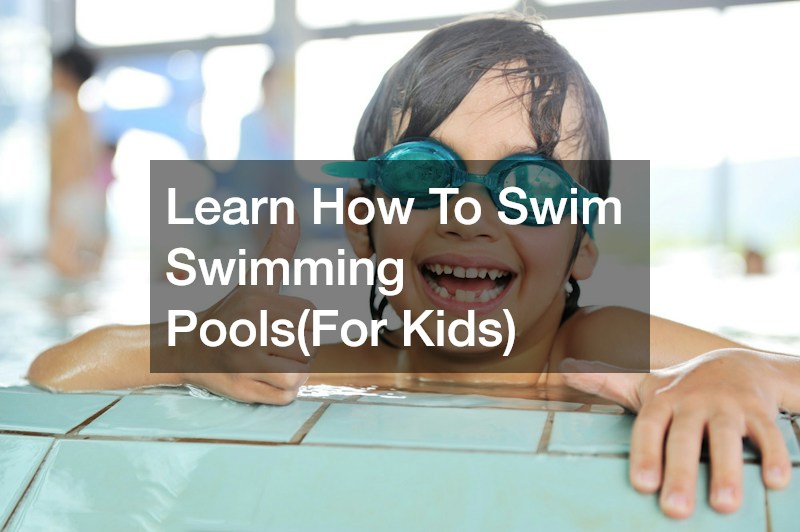
Swimming is not only a fun activity but also an essential life skill, especially for children. Starting swimming lessons early offers benefits that extend beyond the pool. It equips them with a critical ability to stay safe around water and boosts their overall physical health.
Engaging in swimming lessons is a proactive approach to preventing drowning, which is a leading cause of accidental death in children. Parents often find that kids who learn how to swim develop better coordination and balance. Moreover, swimming promotes cardiovascular fitness, increases endurance, and helps build muscles.
Another reason to encourage swimming lessons for children is the social aspect. Kids often find new friends and build social skills in a swimming class setting. Additionally, mastering swimming can elevate a child’s confidence, which can translate into other areas of their lives.
Choosing the Right Swimming Pool
Choosing the appropriate swimming pool for teaching kids how to swim is crucial for a positive learning experience. Indoor pools often provide a controlled environment, which can be advantageous for beginners. These pools typically offer consistent water temperature and are free from outdoor distractions.
On the other hand, outdoor pools offer a different set of benefits, such as exposure to fresh air and natural light. However, external weather conditions can affect the swim lessons, so it’s vital to ensure weather conditions are suitable for swimming. Regardless of the choice between indoor or outdoor pools, safety should be the priority.
Ensuring the pool has proper safety measures, such as lifeguards on duty and non-slip surfaces, is essential. Additionally, checking if the swimming lessons institute is accredited or has certified instructors can make a significant difference in the quality of teaching. Remember, the right environment can make swimming lessons more enjoyable and effective for kids.
Preparing Your Child for Swimming Lessons
Before starting swimming lessons, it’s important to prepare your child both mentally and physically. Begin by talking about what they can expect during their lessons to alleviate any fears or anxieties. Familiarize them with the pool environment, perhaps through a preliminary visit before their first class.
Having the right swimming gear can boost your child’s confidence and ensure comfort during lessons. A well-fitted swimsuit, goggles, and perhaps earplugs if needed, can make a big difference. Encourage your child to practice blowing bubbles in the bathtub to get accustomed to having their face in water.
In addition to physical preparation, it’s beneficial to motivate your child to learn the different aspects of swimming. This can include floating techniques, basic strokes, and breathing patterns. Highlighting the fun and social aspects of swimming lessons can also encourage enthusiasm and commitment to learn.
Safety Tips During Swimming Lessons
Ensuring the safety of children during swimming lessons is paramount. Always make sure there is adequate supervision by professional instructors and lifeguards. The presence of a safety-certified instructor provides an extra layer of safety crucial for beginners.
Teaching children about pool rules is also key in maintaining safety. Practicing no running or rough play around the pool area helps prevent accidents. Stressing the importance of learning how to float and tread water can also contribute to their ability to manage themselves in the water safely.
It’s also important for parents to familiarize themselves with basic first-aid skills. Being prepared for potential incidents can make all the difference in emergencies. Furthermore, enrolling your child in swimming lessons that include water safety education ensures they understand the importance of safety as well.
Progressing from Beginner to Advanced Levels
As your child becomes comfortable in the water, they can gradually progress from beginner to more advanced levels in their swimming lessons. Beginner lessons typically focus on basic water familiarity and foundational swimming techniques, such as dog paddling or floating.
Intermediate lessons might introduce strokes like breaststroke or backstroke, increasing the complexity of skills taught. These lessons also focus on enhancing stamina and introducing proper breathing techniques to maximize efficiency and energy conservation in the water.
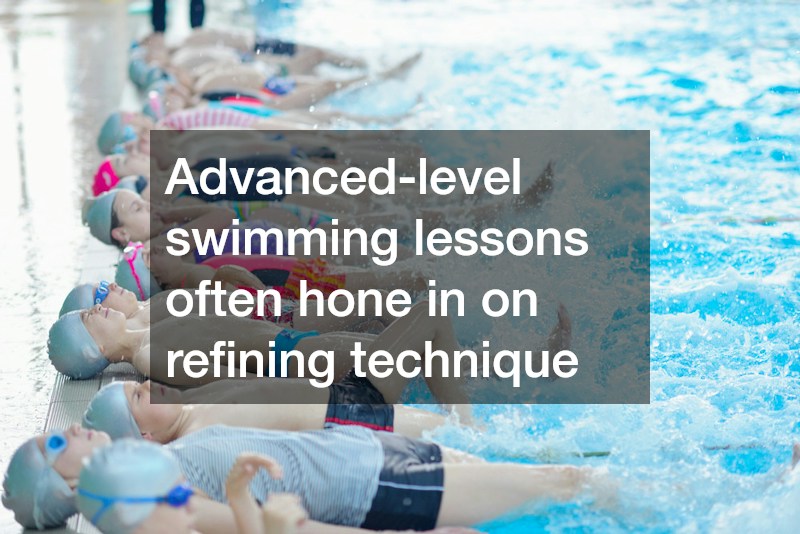
Advanced-level swimming lessons often hone in on refining technique, speed, and endurance. Children may learn competitive strokes, diving techniques, and flip turns. As their skill level increases, kids gain confidence and can partake in competitive swimming events if they choose to.
The Lifelong Benefits of Learning to Swim
Learning to swim is an invaluable skill that offers comprehensive benefits, both in terms of safety and overall health. Swimming lessons lay the foundation for a lifetime of water enjoyment and opportunities. Whether it’s about staying fit, relaxing, or engaging in competitive sports, swimming offers it all.
Moreover, by encouraging your child to learn swimming, you provide them with a tool for life that will assist them in any water-related situation. The skills gained from swimming lessons extend beyond the water, equipping them with discipline, safety awareness, and self-confidence.
In essence, investing in swimming lessons from an early age sets kids on a path to lead healthy, active, and fulfilling lives. Not only does it bring immediate joy, but it also opens up numerous recreational and competitive opportunities for them throughout their life. Encourage your child to dive in and embrace the wonders of swimming.