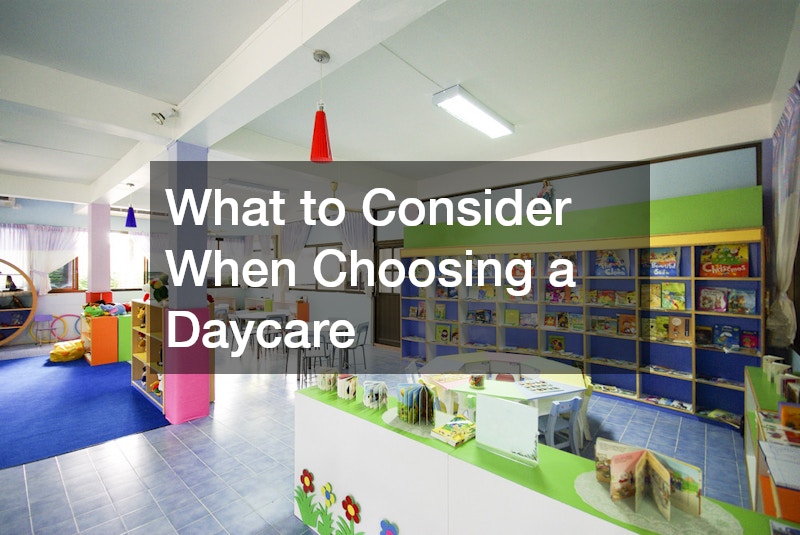
Choosing a daycare for your child is a significant decision. It’s essential to ensure the daycare offers a safe, nurturing, and educational environment. Visiting potential daycares and conducting thorough research should be a priority.
The right choice can provide an excellent foundation for your child’s development.
What Your Child Needs
Age Appropriateness
The age of your child determines the appropriate daycare environment. Infants require safety and one-on-one attention, while preschoolers need structured learning. Evaluate facilities with age-specific divisions to match developmental milestones.
Developmental Milestones
A daycare should support diverse developmental milestones. Expertly crafted activities aid language, motor, social, and cognitive skills. Caregiver encouragement impacts achieving these milestones.
Socialization Opportunities
Daycare provides structured social settings vital for peer interaction, enhancing communication and collaboration skills. Activities that teach sharing, teamwork, and conflict resolution are essential for future relationships.
Nutrition & Meal Plans
A balanced diet is crucial for development. Understand meal plans, inclusivity for dietary restrictions, and verify that a daycare employs dietitians for nutritional balance.
Nap and Rest Periods
Rest is essential for young children. Daycares should balance activities with appropriate rest periods, impacting mood and well-being positively. Ensuring a calm environment during rest times with minimal disturbances can further enhance the efficacy of these periods.
Daycare Reputation and Reviews
Word of Mouth
Community reputation is a reliable quality indicator. Conversations with other parents provide insights. Testimonials help shortlist suitable daycares. Engaging with local parent groups can provide firsthand experiences and personal recommendations.
Online Reviews
Online reviews are crucial for assessing daycare facilities, offering insights into educational practices, staff qualifications, and satisfaction levels. Consistently positive feedback can be an indicator of a daycare’s commitment to high standards.
Licensing and Accreditation
Verify daycare licensing and accreditation for quality assurance. Accredited daycares meet established benchmarks, committing to improvement. Regularly inspecting compliance with these standards is crucial for maintaining certifications.
Staff Background Checks
Background checks ensure responsible daycare staff. Trustworthy, vetted staff are central to a daycare’s reputation. Continuous training and development opportunities for staff can enhance their effectiveness and dedication.
Visiting the Facility
An in-person visit reveals daycare nuances. Observe staff-child interactions and ask questions to ensure alignment with your child’s needs. Check the cleanliness and safety measures in place to ensure a secure environment.
Cost and Budget
Tuition and Fees
Understand daycare costs and what they cover. Consider additional charges for meals, activities, and care hours. Comparing these aspects across multiple daycares can offer a clearer perspective on value.
Payment Plans
Flexible payment plans relieve financial burdens. Review options and terms for accommodating your budget. Some daycares may offer discounts for siblings, reducing overall expenses for families.
Additional Costs
Consider costs like diapers, field trips, and programs. Transparent communication about these expenses builds trust. These costs can add up over time, making it crucial to account for them in your budget planning.
Financial Assistance Options
Explore financial assistance opportunities like scholarships or subsidies available through daycares or programs. Investigating local government aid initiatives can also provide additional support for eligible families.
Value vs. Price
Focus on long-term benefits rather than immediate savings. Consider the quality of education, safety, and stimulation offered. A comprehensive program can provide a foundation for lifelong learning and development.
Health and Safety Standards
Cleanliness and Hygiene
Ensure strict cleanliness to minimize illness spread. A clean environment contributes to a welcoming atmosphere.
Security Measures
Security measures include entry systems and visitor protocols to ensure children’s safety. Evaluate daycare security policies.
First Aid and Emergency Procedures
Daycare staff should be trained in first aid with established emergency procedures. Check the availability of first aid supplies.
Child to Staff Ratio
A suitable child-to-staff ratio ensures personalized attention and better developmental outcomes.
Health Policies
Examine daycare health policies, including illness handling and immunization checks, ensuring a healthy environment.
Education and Curriculum
Learning Philosophy
Evaluate the educational philosophy, be it Montessori, Reggio Emilia, or play-based, to align with your child’s learning style.
Curriculum and Activities
A well-rounded curriculum focusing on varied activities stimulates overall development. Evaluate its integration and emphasis.
Teacher Qualifications
Qualified teachers with early childhood education can better support child development. Inquire about staff professional backgrounds.
Parent-Teacher Communication
Consistent parent-teacher communication fosters a supportive partnership focused on child progress and needs.
Extracurricular Programs
Extracurricular activities, like arts or sports, enrich the daycare experience, offering personal interest exploration.
Balancing your child’s needs with practical considerations like budget and safety ensures a great start for your child’s education. Thorough research and careful selection nurture and enrich early experiences, laying a foundation for lifelong learning.