
Choosing the right family car is a major decision that affects daily routines, long road trips, safety, and long term finances. A vehicle for family use must balance comfort, reliability, and practicality while also fitting your lifestyle and budget. With so many models and features available, it can be difficult to know what truly matters and what is simply extra.
Here are just some of the most important factors to consider when you’re buying a car for your family. Whether you’re prioritizing space, safety features, or ease of maintenance, these tips can help you make a confident and well-informed decision. These options are perfect for expecting parents or those looking to grow an existing family by replacing an older vehicle.
Safety Features That Protect Your Family

Safety is often the top priority for families when shopping for a vehicle, and for good reason. A family car must be able to protect passengers in a wide range of real world driving scenarios, from daily commutes to long road trips. Modern vehicles come equipped with a broad range of safety technologies, but understanding which features truly add value can make a big difference. Strong crash test ratings from reputable organizations provide an objective measure of how well a vehicle performs in frontal, side, and rollover collisions. These ratings offer peace of mind and serve as a reliable baseline when comparing different models.
Advanced driver assistance systems further enhance safety by helping drivers avoid accidents before they occur. Features such as automatic emergency braking can detect obstacles and apply braking force when the driver does not react in time. Blind spot monitoring and rear cross traffic alerts are especially useful for families who frequently navigate busy parking lots or school drop off areas. Lane keeping assistance helps reduce the risk of drifting during long drives, which can be particularly valuable when traveling with tired or distracted passengers.
Beyond electronic features, structural safety plays a critical role in protecting occupants during a collision. Vehicles with reinforced frames are designed to absorb and distribute impact forces more effectively, reducing the risk of serious injury. Multiple airbags placed throughout the cabin add another layer of protection for passengers of all ages. Well designed crumple zones help manage collision energy in a controlled way, preserving the integrity of the passenger compartment.
Child safety deserves special attention when evaluating any family vehicle. Easily accessible LATCH systems make it simpler to install car seats correctly, which is essential for protecting younger passengers. Adequate rear seat space allows car seats to fit securely without forcing front seat occupants into uncomfortable or unsafe positions. Features such as rear door child locks, window locks, and rear seat reminders also contribute to a safer environment for children.
Another aspect of safety that families sometimes overlook is financial protection. Having the right car insurance ensures that your family is covered in the event of an accident, theft, or unexpected damage. When choosing a vehicle, it is wise to consider how insurance premiums may vary based on the model, safety ratings, and repair costs. Cars with strong safety records and lower repair expenses often come with more manageable premiums, helping families balance protection with affordability over the long term.
Braking Performance and Stopping Power
Reliable braking is essential when driving with children, especially in busy traffic, school zones, and unpredictable weather conditions. A family car should provide consistent stopping power and responsive braking performance to reduce the risk of accidents.
When test driving a vehicle, pay close attention to how the brakes feel. They should respond quickly without excessive pedal pressure or vibration. Modern braking systems often include anti lock braking, electronic stability control, and traction control, all of which improve handling during sudden stops or slippery conditions.
It is also worth researching how easy and affordable it is to maintain the braking system over time. Access to dependable auto brake service can make routine maintenance more manageable and help keep your vehicle operating safely. A car that is known for durable brake components can reduce long term stress and costs while keeping your family secure on the road.
Reliability and Long Term Durability
A family car needs to be dependable day after day, especially when it is relied on for school drop offs, work commutes, errands, and weekend activities. Unexpected breakdowns can disrupt carefully planned schedules, create stressful situations on busy roads, and raise safety concerns when children are involved. Reliability should be a core factor in your decision making process because it directly affects your family’s routine and peace of mind.
When evaluating reliability, it is important to look beyond how a vehicle performs when it is brand new. Research brands and models with proven track records for longevity and minimal mechanical issues. Consumer reviews, reliability rankings, and long term ownership reports can provide valuable insight into how vehicles hold up after several years of regular use. Pay close attention to patterns in owner feedback, including recurring mechanical problems, electrical issues, or costly component failures that may emerge over time.
Maintenance history also plays a role in long term dependability. Some vehicles are engineered with simpler systems that are easier to service and less prone to failure, while others may rely on complex technology that increases repair frequency. Understanding how often a vehicle typically requires attention and what types of repairs are most common can help you anticipate future costs and downtime.
Another important consideration is access to trusted auto repair shops in your area. Choosing a popular model with widely available parts and broad service support can make repairs faster and more affordable. When replacement parts are easy to source and technicians are familiar with the vehicle, maintenance becomes more efficient and less stressful. A reliable vehicle combined with accessible support helps ensure your family stays mobile, confident, and stress free throughout the years of ownership.
Routine Maintenance and Ownership Costs
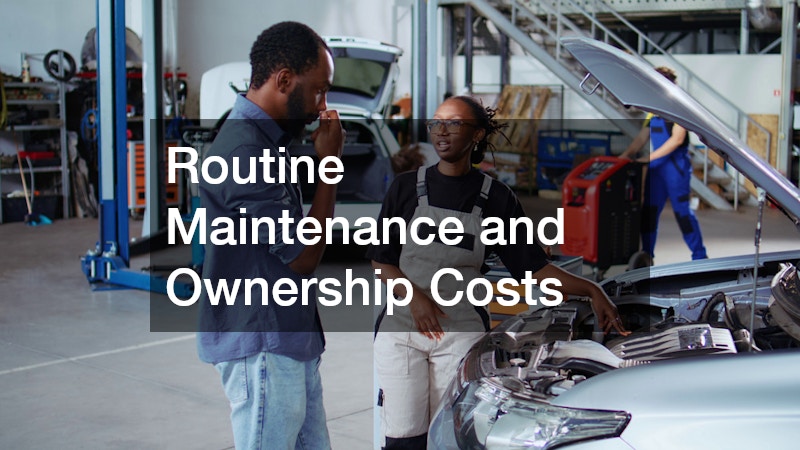
Ongoing maintenance plays a major role in the total cost of owning a family car. Even a well built vehicle requires regular care to perform at its best. Understanding these requirements before you buy can help you avoid unpleasant surprises.
Check the manufacturer recommended maintenance schedule and estimated costs. Some vehicles are designed with efficiency in mind and require fewer services over time, while others may need more frequent attention. Fuel type, engine design, and driving conditions all influence maintenance needs.
Simple tasks such as an oil change may seem minor, but they add up over the years. A vehicle that offers longer service intervals or lower maintenance costs can be a smart choice for families looking to manage expenses without sacrificing reliability.
Comfort and Climate Control for All Passengers
Comfort is essential in a family car, especially for long drives, daily commutes, and frequent errands. Seating quality, legroom, and interior layout all play a significant role in how enjoyable a vehicle is for both drivers and passengers. Supportive seats help reduce fatigue during extended trips, while adjustable seating configurations make it easier to accommodate growing children, car seats, and varying passenger needs. Easy access to the second and third rows is especially important for families, as it allows passengers to get in and out without unnecessary strain or inconvenience.
Interior noise levels and ride quality also contribute to overall comfort. A smooth suspension system and effective sound insulation can make conversations easier and reduce stress during long hours on the road. Storage features such as cup holders, door pockets, and center consoles help keep the cabin organized, which can greatly improve comfort during family travel.
Climate control is another key factor to consider. Families often travel with children who are more sensitive to temperature changes, so a car with effective heating and cooling systems is important. Multi zone climate control allows different areas of the vehicle to be adjusted independently, which can reduce discomfort and complaints during trips and help everyone stay comfortable regardless of seating position.
Before purchasing, consider how the vehicle handles temperature extremes and how easy it is to maintain climate systems over time. Access to reliable auto ac repair services can help keep the interior comfortable year round, especially in regions with hot summers or cold winters, ensuring that the vehicle remains a pleasant space for every member of the family.
Mechanical Support and Expert Care
Even the most reliable family car will need professional attention at some point. Having access to skilled automotive professionals can make a significant difference in your ownership experience. When choosing a vehicle, think about how easy it will be to find knowledgeable support when issues arise.
Some cars require specialized tools or expertise, which can limit where they can be serviced. Others are more straightforward and widely supported, making them easier to maintain. A dependable mechanic who is familiar with your vehicle model can help identify problems early and keep your car running smoothly.
Establishing a relationship with a trusted professional provides peace of mind, especially when your family relies on the vehicle for daily transportation. This support network becomes an important part of responsible car ownership.
Advanced Technology and Diagnostic Capabilities

Modern family cars are increasingly equipped with advanced technology that improves safety, efficiency, and convenience. From onboard diagnostics to driver assistance systems, technology plays a growing role in how vehicles are maintained and operated.
When evaluating these features, consider how they impact long term service and repairs. Cars with sophisticated systems often require specialized training to diagnose and fix issues accurately. An experienced automotive service technician can interpret warning signals, software updates, and sensor data to ensure the vehicle continues to perform as intended.
While advanced technology can enhance the driving experience, it is important to balance innovation with practicality. Choose a vehicle with features that genuinely support your family rather than adding unnecessary complexity.
Exterior Durability and Accident Preparedness
Family cars are often exposed to busy parking lots, tight garages, and the occasional mishap. Exterior durability matters not only for appearance but also for safety and resale value. Strong materials and quality paint finishes can help the vehicle withstand everyday wear.
Accidents, even minor ones, are sometimes unavoidable. Understanding how a vehicle responds to impact and how easy it is to restore can influence your decision. Vehicles with readily available parts and skilled auto body shops nearby can reduce repair times and costs after collisions.
A well built exterior combined with accessible repair options helps ensure that cosmetic damage does not turn into a long term inconvenience or financial burden.
Emissions and Environmental Considerations
Environmental impact is becoming an increasingly important factor for many families. Fuel efficiency, emissions levels, and overall environmental performance can influence both operating costs and personal values.
When shopping for a family car, look at emissions ratings and consider how the vehicle manages exhaust gases. Proper systems are designed to minimize harmful output and improve efficiency. In some cases, specialized maintenance such as auto exhaust extraction may be required during service procedures to ensure safety and compliance.
Choosing a vehicle with efficient emissions control not only benefits the environment but can also result in better fuel economy and fewer regulatory concerns over time.
Long Term Safety and Brake Maintenance
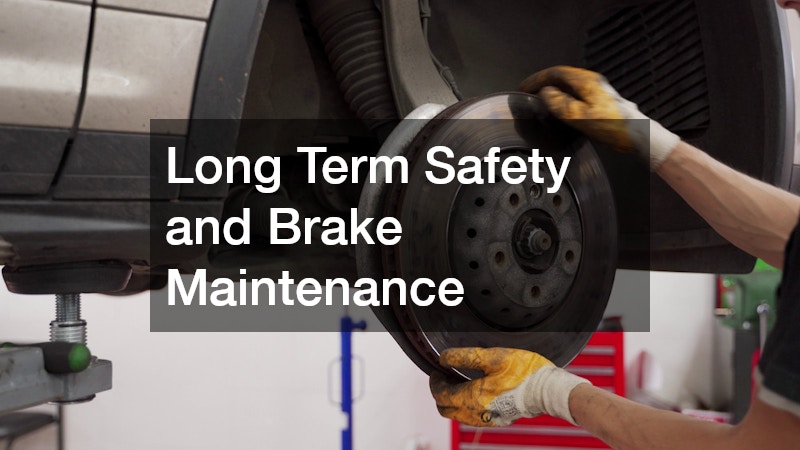
Braking systems play a critical role throughout the life of a family car. Over time, components wear down and require attention to maintain safe operation. Understanding this aspect of ownership can help you plan for future maintenance.
Some vehicles are designed with easily serviceable brake components, while others may involve more complex procedures. Researching maintenance intervals and typical costs can help you choose a car that aligns with your expectations and budget.
Staying proactive with brake repairs ensures that stopping power remains consistent and reliable. For families, this commitment to maintenance directly supports safety and confidence behind the wheel.
Buying a family car is about more than choosing a popular model or attractive design. It is about finding a vehicle that supports your family’s safety, comfort, and long term needs. By carefully considering factors such as reliability, maintenance, professional support, and environmental impact, you can make a decision that serves your household well.
Take the time to research, test drive, and compare options with a clear understanding of what matters most to you. A thoughtful approach not only protects your investment but also ensures that every trip, whether short or long, is a positive experience for everyone in the car.