Understanding how to adequately prepare your child for their first steps into kinder prep private preschool can set the stage for a successful educational journey. This article addresses common concerns and provides strategies to ensure a smooth transition.
What are the key skills my child should develop before preschool?
Developing Emotional Readiness
Emotional readiness is a cornerstone for your child’s successful transition to preschool. It involves how they manage emotions such as excitement, nervousness, or even fear.
Preparing your child emotionally often entails positive reinforcement. Encourage your child by discussing the exciting aspects of preschool like making friends or participating in fun activities. By maintaining a nurturing environment at home, children can freely express their feelings, which is crucial for their emotional development.
Another significant step in nurturing emotional readiness is fostering resilience. Building this trait can be done by exposing your child to experiences that allow them to navigate challenges with support. Whether it’s learning a new skill or playing a game, resilience helps children manage the ups and downs of social and academic settings. Reading stories related to overcoming emotions can provide them with relatable examples of resilience. Practical exercises such as role-playing different scenarios they might encounter at preschool can also be beneficial.
Lastly, emotional intelligence is an expanding part of early childhood development. By teaching your child to identify and articulate their emotions, you enhance their emotional intelligence. Regular conversations about their day, urging them to express their likes and dislikes in different scenarios, are helpful practices. Emotional intelligence supports them in identifying not only their emotions but helps them recognize feelings in others. Such skills are invaluable as they start to interact with teachers and peers at preschool.
Building Basic Social Skills
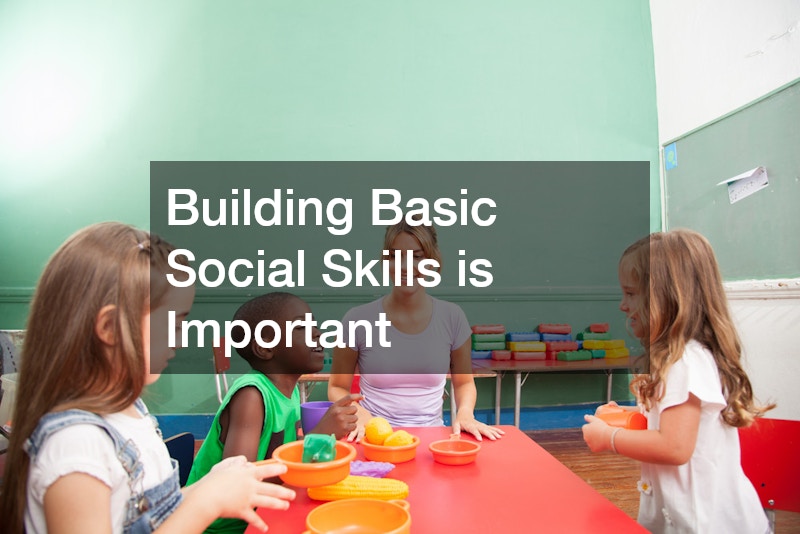
Social skills are fundamental for preschool readiness, encompassing sharing, negotiating, and playing with others. As an essential aspect of your child’s growth, these skills ensure they can engage positively with peers. Introducing your child to various social settings aids in their development. Frequent playdates or group activities can be beneficial for honing these abilities. Observing your child during these interactions can offer insights into their social tendencies.
Instilling manners and etiquette at an early stage further supports social competency. Teaching your child simple phrases like “please,” “thank you,” and “excuse me” helps them communicate effectively and politely. Etiquette in conversations, such as taking turns speaking and listening, can also be valuable. An understanding of respectful interaction builds a foundation for strong friendships and positive teacher relationships. Encouraging reflection on interactions provides perspective and reinforces proper social conduct.
Moreover, teaching conflict resolution is a crucial social skill. Preschoolers encountering disagreements require constructive methods to resolve them. Guided discussions about sharing and acknowledging feelings during conflicts cultivate peaceful resolutions. Games and activities that require teamwork foster cooperative skills and highlight the importance of compromise. Overall, these practices prepare your child for positive social integration in the preschool environment.
Strengthening Communication Abilities
Effective communication is vital for your child as they enter preschool. It includes both verbal and non-verbal skills they can use to interact with peers and educators. Encouraging your child to describe their thoughts and ideas develops their verbal abilities. Reading together regularly and storytelling are among the best methods to enhance vocabulary and comprehension skills. Engage them in conversations about their favorite stories or topics to further refine their communication.
Listening is also an integral element of communication. Teaching your child active listening skills enables them to process information accurately. Interactive games and activities involving following instructions can effectively enhance these skills. Additionally, discussing and summarizing stories after reading helps improve both listening and understanding. These exercises prepare them to respond accurately to educator instructions in class.
Body language and non-verbal cues are aspects of communication that should not be overlooked. These cues convey emotions and reinforce understanding. Demonstrating the significance of gestures, facial expressions, and tone changes enriches their interpersonal skills. Children learning to interpret and appropriately use non-verbal communication aid themselves in better understanding interactions and conveying empathy. These enhanced communication skills serve as tools in fostering clearer, more effective relationships in preschool.
Learning Basic Academic Skills
In preparation for preschool, introducing your child to basic academic concepts can ease their transition into a structured learning environment. Engaging in fun, low-pressure activities that involve counting, recognizing colors, and identifying shapes builds academic familiarity. Early exposure to these concepts enhances cognitive development and readiness for the preschool curriculum. Educational toys and games that focus on numbers and letters are excellent resources. Making these learning experiences interactive and enjoyable instills a love of learning from a young age.
Additionally, developing fine motor skills is crucial as children require these abilities for classroom tasks like writing and using scissors. Incorporate activities such as drawing, cutting paper, or playing with building blocks that focus on hand-eye coordination. Strengthening these skills supports your child in managing school materials confidently. Incorporating arts and crafts activities promotes creativity while simultaneously refining these essential motor skills. By doing so, children can approach classroom tasks with ease and assurance.
Encouraging curiosity through exploration and questioning further bolsters a child’s academic journey. Promote inquisitive thinking by providing opportunities for discovery through educational trips or simple experiments at home. Use daily experiences, such as cooking or gardening, to introduce scientific concepts and practical knowledge. This curiosity-driven approach encourages children to associate learning with excitement and opportunity. Stimulating your child’s interest in the world around them lays the groundwork for a lifelong love for learning.
Encouraging Independence and Self-care
Independence is integral as children step into preschool environments, where self-guidance and self-care are expected. Encourage your child by offering small household chores or tasks that align with their abilities. You instill self-reliance by reinforcing their capability to complete tasks on their own, like organizing toys or dressing themselves. Gradually introducing these responsibilities supports autonomy and cultivates pride in their accomplishments. This sense of independence fosters their ability in managing daily routines at preschool effectively.
Learners with a strong sense of independence are better equipped to make decisions and solve problems. Engage your child in making simple choices such as selecting snacks or picking outfits, thus bolstering their decision-making skills. Encouragement and validation of their choices build confidence and decision-making prowess. Through guided problem-solving scenarios, they learn to analyze situations and derive solutions. Reflecting on these exercises enhances critical thinking abilities, important for their academic and personal growth in a preschool setting.
Essential self-care routines should be a major focus before starting preschool. Teaching children to manage personal hygiene, like washing hands and using the bathroom independently, builds self-sufficiency. Discussing the importance of self-care and regular habits encourages their daily responsibilities. Incorporating these routines prepares them for the increased independence required at school. Additionally, practicing these skills fosters a sense of accountability towards their own well-being.
How can I help my child cope with separation anxiety?
Understanding Separation Anxiety
Separation anxiety is natural, especially for children starting preschool as they face new environments and strangers without familiar faces. Recognizing the signs of anxiety, such as crying, clinging, or reluctance, helps parents understand the underlying emotions. Acknowledge these feelings to your child, validating their anxiety while simultaneously reassuring them of their safety. It is crucial for parents to stay calm and composed, as children often mirror emotional responses. Understanding that this anxiety can be a normal developmental phase helps you guide and support your child through it.
Establishing a trusting routine helps alleviate anxiety. Predictability provides security; knowing what to expect when dropping your child off can minimize their stress levels. Discussing what their day might entail, such as engaging activities or playtime, creates familiarity and comfort. Reiteration of these routines daily supports a confident mindset in your child. Preparing in advance by introducing gradual separations can help them adjust smoothly.
Professional guidance or classroom support can be considered if separation anxiety persists. Communicate with teachers about your child’s experience to develop a personalized approach in handling anxiety. Teachers can collaborate with you in creating strategies like safety cues or familiarization activities to ease this transition. Exploring books focused on separation can provide relatable scenarios, offering comfort to anxious feelings. With time and understanding, this anxiety can dissipate as your child gains confidence in their newfound independence.
Establishing a Comforting Routine
Predictable routines play a significant role in providing children with a sense of security and stability, especially during transitions like starting preschool. Morning routines that include allocated time for leisure and self-care set a positive tone for the day. Create a step-by-step structured routine that resonates with your child’s preferences, providing predictability and reassurance. A familiar routine diminishes anxiety by allowing children to anticipate their schedule and environment. Reinforcing these practices instills confidence, fostering a smoother transition into the school day.
Bedtime routines also significantly impact how your child copes with separation during preschool hours. Ensure a calming evening routine that includes quiet activities like reading or mild games. A good night’s sleep equips them with the energy and emotional stability to face the next day’s adventures. Maintaining a consistent bedtime and wake-up schedule aligns with their inner clock, reducing fatigue and preventing morning stress. Implementing these strategies contributes to an overall balanced well-being, fortifying their resilience to anxiety.
Continually incorporating positive reinforcement within routines further strengthens children’s adaptability. Praise them for completing routine tasks independently, encouraging self-sufficiency and self-pride. Recognize their accomplishments in following routines, further boosting their confidence. This consistent affirmation establishes a stronger routine foundation and motivates them to embrace change with optimism. Consequently, these efforts reinforce their emotional security and readiness for preschool experiences.
Introducing Short Goodbyes
Saying goodbye can often trigger anxiety in children unfamiliar with separation. Keeping goodbyes short and straightforward ensures smoother transitions. By offering a cheerful and loving farewell, you instill confidence and assurance. Prolonged goodbyes may escalate anxiety, prolonging separation distress. Brief and regular practice of short goodbyes eases separation, allowing children to become comfortable with temporary absences more naturally.
Incorporate positive goodbye rituals into their routine, repeating this comforting farewell each day. Establish a consistent timing, signaling the transition from home to preschool. Offering a goodbye hug, high-five, or special phrase can provide them with reassurance. These brief rituals comfort your child, indicating your confidence in their ability to cope, which in turn transfers to them. Consistent practice of these short departures fosters their independence and adaptability.
Subsequently, over time, children develop self-reliance and understand that goodbyes are temporary. Reinforce the comforting message that you will reunite later on with a detailed conversation. By underscoring the excitement of reunion, their understanding of return marries separation with anticipation, not fear. This gradual practice normalizes the concept of brief separation, demonstrating that preschool is a safe space to explore and learn. As you persistently lead by example through calmness and reassurance, your child’s adjustment to separation anxiety advances steadily.
Creating a ‘Goodbye Ritual’
Goodbye rituals are essential transitions that help children adjust to separation moments securely. Developing personalized rituals can reflect both family values and your child’s preferences. By enjoying a specific routine activity before parting, children associate separation with positivity. Engage your child in creating these rituals, incorporating their choices to strengthen its significance. Whether a favorite song or goodbye dance, repeated daily, these rituals become cherished comfort measures.
Rituals enriched with creativity and joy divert attention from anxiety and instead frame preschool drop-off as an enjoyable initiative. Using visual charts or task lists can further reinforce steps to this ritual, providing accessible reminders. A checklist of items such as packing bags or brushing teeth can demystify the routine, transforming it into an interactive and purposeful morning endeavor. Introduce variety to these rituals, keeping excitement alive and curbing monotony, all while providing predictability and stability.
Ultimately, consistent goodbye rituals cement a sense of security in children. By witnessing both parents and caregivers apply these rituals seamlessly, children develop confidence in daily transitions. As you commit to these routines in a patient and consistent manner, the ritual evolves into a well-loved practice. Their attachment to routine thus redirects energy from stress to anticipation and adventure. Encouraged by a solid foundation of security, children embrace preschool milestones with enthusiasm.
Communicating with Teachers
Building a strong communication channel with teachers is vital to addressing any transition anxieties and ensuring cohesive support for your child. Schedule meetings or chats with teachers to express your child’s needs and potential concerns regarding separation anxiety. By sharing these insights, teachers can tailor classroom interactions to accommodate your child’s comfort and emotional state. Consistent communication allows joint effort in implementing effective strategies and ensuring emotional stability for your child. It validates to your child that caregivers are collaborating harmoniously, reinforcing their sense of security.
Teachers equipped with knowledge of both your child’s strengths and challenges can foster an inclusive learning environment. Brief daily check-ins or emails with teachers maintain awareness of your child’s adaptation to the preschool regime. Updates on their day, achievements, or difficulties offer you the chance to address issues constructively and implement change if necessary. Engaging in candid conversations with teachers grants insight into classroom-specific strategies useful for reinforcing coping skills. Such collaborative liaisons develop effective routines and mitigate any transition hurdles.
Additionally, a proactive parent-teacher relationship establishes mutual respect and understanding, ultimately benefiting your child’s holistic growth. Encouraging open-ended discussions allows teachers to convey their observations, offering informed explanations and guidance. Teachers may suggest tactics beneficial to habits at home that support classroom efforts constructively. By entrusting educators and listening actively, a shared vision emerges for the child’s educational well-being. This cohesive strategy empowers both parents and teachers to maintain a positive, growth-oriented preschool experience for their child.
What should I look for in a high-quality preschool program?
Evaluating the Curriculum
When selecting a private preschool, evaluating its curriculum forms a significant part of ensuring a nurturing educational experience for your child. A comprehensive curriculum should blend academic learning with play-based activities, fostering foundational skills in literacy, numeracy, and social competencies. Engage with school administrators, requesting detailed breakdowns of curricular content and structure. A stellar curriculum typically integrates hands-on learning techniques alongside thematic teaching methods, promoting exploratory learning. Ensure that the curriculum resonates with your child’s developmental stage, catering to their specific learning needs for maximum engagement and growth.
Furthermore, inquire about how the preschool approaches differentiation and inclusion within their curriculum. Programs encompassing diverse teaching methods and resources can effectively cater to a range of learning styles and capabilities. Discuss how teachers accommodate varying needs, ensuring personalized support is available. A curriculum emphasizing engagement, group collaboration, and individualized attention encourages rapport and intellectual curiosity. This dynamic approach to learning lays a robust foundation for cognitive development, preparing children for future academic pursuits.
A well-rounded curriculum also prioritizes integration of additional exceptional programs, such as music, arts, and physical education. These specialties enrich core curriculum, supporting the holistic development of the child. Investigate the incorporation of such offerings, as they permit children to explore varied interests and talents. Programs featuring diverse activities cultivate well-balanced learners who appreciate different aspects of learning. This ‘whole-child’ approach not only enriches educational experiences but also strengthens social, emotional, and creative problem-solving abilities.
Assessing Teacher Qualifications
An integral aspect of choosing a preschool comprises evaluating the qualifications and teaching style of the preschool educators. Investigating teacher qualifications provides insight into their preparedness and ability to deliver high-quality education. Look for credentials demonstrating expertise in early childhood education, such as degrees or certifications. Evaluate the school’s emphasis on professional development and training for staff, which reflects their commitment to current educational standards. This ensures educators possess contemporary knowledge and skills necessary to effectively engage with young learners.
Teacher-student interaction serves as another key measure of teacher quality. Observe classroom visits, noting how educators manage dynamic classroom environments. Teachers skilled in positive discipline techniques often foster a calm and conducive learning space. Children thrive in settings where they feel understood and respected, underscoring the importance of patient, empathetic educators. Beside classroom management, note how teachers facilitate interactive activities, blending academic, social, and emotional opportunities seamlessly.
Assessing the continuity of teacher engagement beyond the basics enhances understanding of student bonding. Effective educators exhibit enthusiasm about nurturing the child’s intrinsic growth naturally and holistically. By emphasizing open communication and support, teachers underscore the importance of collaborative learning. A school’s embrace of a community-centered approach indicates a desire for establishing meaningful learning experiences. Engaged, supportive teachers play monumental roles in cultivating resilient learners poised for future success.
Observing Classroom Dynamics
Classroom dynamics significantly influence a child’s educational journey, impacting their comfort and enthusiasm towards learning. Engaging directly with classroom observations can provide invaluable insights into teaching practices and peer interactions. Identify how settings balance playful exploration with structured activities, accommodating diverse learning preferences. Observe direct teacher-to-student engagement, noting their ability to cater to children’s unique interests. A dynamic where active student participation is encouraged yields happier, more invested learners.
Moreover, assess spaces favoring collaborative exploration through hands-on activities. Child-centered environments typically feature areas tailored to foster creativity – art stations, reading corners, or science experiments extend beyond traditional academic confines. Flexible seating options or accessible multi-purpose resources enhance interactive potential, enabling inclusivity and accommodation for varying learning styles. Highlight schools that value inquiry-based learning methodologies, integrating real-world applications with core academic concepts. By promoting exploratory dynamics, classroom settings cultivate open-mindedness and adaptable critical thinkers.