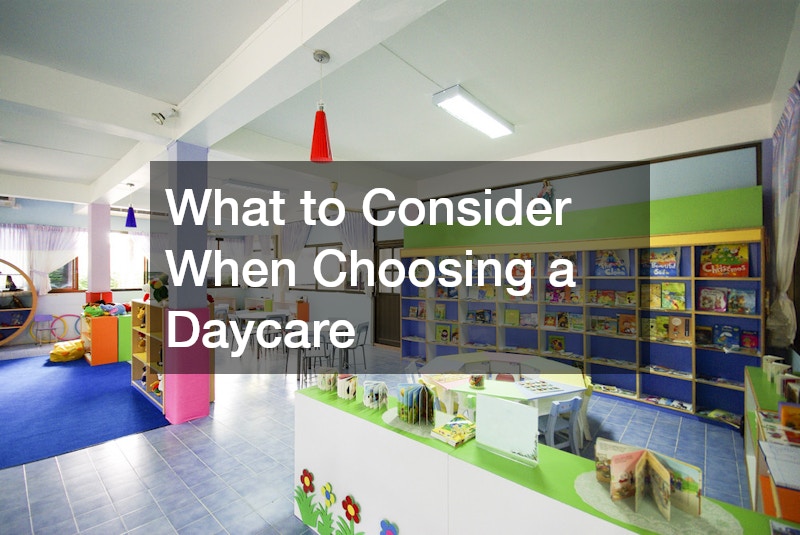
A growing family changes how a home needs to work. Rooms that once felt spacious can become crowded with toys, school supplies, and the everyday equipment that comes with caring for children. Creating a safer, more functional home involves more than choosing attractive furniture or adding storage.
The most useful improvements begin with a clear understanding of how your household moves through each day. Think about where children gather, which spaces become cluttered, and which tasks routinely cause frustration. Consider how your needs may shift as toddlers become school-age children and teenagers begin seeking privacy. A thoughtful approach can improve comfort now while reducing the need for repeated changes later.
Not every project requires a major investment. Small adjustments, maintenance, and carefully planned upgrades can work together to support family life. The goal is to create spaces that are easier to navigate, maintain, and enjoy without sacrificing the character of your home.
Map Daily Routines Before Making Changes
Before purchasing new fixtures or starting construction, spend a few days observing how your family uses each room. Notice where backpacks accumulate, where children leave shoes, and how often people cross paths while preparing meals.
Start by identifying the activities each space needs to support. A dining area might double as a homework station, while a spare bedroom could serve as both a guest room and a play area. When a room has several purposes, flexible furniture and clearly defined storage zones help prevent competing activities from creating constant disorder.
Pay attention to movement between rooms as well. Narrow walkways, poorly positioned furniture, and overloaded entryways can make daily routines difficult, especially when someone is carrying a baby or helping a young child. Keeping clear paths through frequently used areas supports easier movement for every member of the household.
Include children in age-appropriate planning conversations. Ask where they prefer to read, play, or store their belongings, then compare those preferences with household needs. Their answers may reveal simple opportunities for improvement that adults overlook. Also consider accessibility for relatives or visitors who may have different mobility needs.
Make a list of changes in three categories: immediate safety concerns, everyday inconveniences, and future improvements. This process creates a useful framework for deciding which purchases, repairs, or larger upgrades deserve attention.

Improve Safety Without Complicating Daily Life
A safer home should help family members move confidently through their routines rather than making ordinary tasks cumbersome. Begin with basic measures such as securing tall furniture, storing medications out of reach, using appropriate window coverings, and checking that smoke and carbon monoxide alarms work properly. Children develop quickly, so safeguards need to change as their abilities and curiosity grow.
Consider home security as part of a broader household safety plan. Well-lit entrances, sturdy exterior locks, and clear sightlines around doors can help adults monitor activity. Some families may find video doorbells, monitored alarms, or smart locks useful, but technology should support sensible habits rather than replace them.
Think carefully about who can enter the home and how family members respond to unexpected visitors. Establish simple rules about opening doors, sharing access codes, and communicating when someone arrives.
Indoor safety deserves equal attention. Use nonslip mats where appropriate, keep cords away from walkways, and review furniture arrangements for sharp corners or unstable items. In homes with stairs, choose safety gates that are suitable for the location and the child’s developmental stage. Never assume a product makes supervision unnecessary.
Walk through the home periodically from a child’s perspective. Kneeling near floor level can reveal reachable objects, accessible outlets, and overlooked storage areas.
Support Cleaner Air and Drinking Water
Dust, cooking particles, moisture, and outdoor pollutants can all affect indoor conditions. Begin with practical habits: use kitchen exhaust fans when cooking, manage damp areas promptly, and replace HVAC filters according to the system manufacturer’s recommendations.
Portable air purification may provide an additional layer of support in particular rooms, especially when a suitable unit is selected for the space. Compare equipment using its rated room coverage and filtration specifications instead of relying on broad marketing claims. An air cleaner is not a substitute for controlling pollution sources, fixing moisture problems, or providing adequate ventilation.
Be mindful of products used around the home. Strongly scented cleaners and air fresheners are not necessary for a room to feel clean. When possible, choose appropriate low-emission products, follow label directions, and store chemicals where children cannot reach them. Keeping windows open can help under suitable outdoor conditions, but it may be less useful when outdoor air quality is poor.
Drinking water is another consideration, although treatment needs depend on local water quality and household plumbing. Because water filtration systems vary in what they are designed to reduce, begin by reviewing your water utility’s report or arranging testing when there is a specific concern. Match any filter to the contaminants it is certified to address, and follow the replacement schedule.
Clean reusable bottles regularly, use cold tap water for cooking and drinking when recommended by local guidance, and teach children not to handle household treatment equipment.

Control Dirt, Allergens, and Household Pests
Busy homes collect crumbs, tracked-in soil, pet hair, and spills. Instead of trying to keep every surface spotless, focus on the areas children touch most frequently.
Carpets require attention because they can hold debris below the visible surface. Vacuuming with equipment suited to the flooring, responding to spills promptly, and following manufacturer instructions help maintain their condition. Some households also use carpet cleaning services periodically, especially in high-traffic rooms or after a significant mess. Ask providers about drying times and any products used before arranging for children or pets to return to the area.
Food storage and moisture control also influence how comfortable a home feels. Wipe countertops after meals, seal accessible snacks, empty trash regularly, and repair leaks that leave cabinets or floors damp.
If insects or rodents appear, identify the source before choosing a response. Seal entry gaps when practical, remove accessible food, and address moisture or clutter that may attract pests. A pest control service can assess recurring problems and discuss treatment options appropriate for a household with children and animals. Ask about precautions, reentry instructions, and ways to prevent future activity.
Avoid leaving cleaning chemicals or pest products where curious children can reach them. Store supplies in their original containers, follow all labels, and never mix products. A well-organized cleaning system should make maintenance easier while keeping potentially hazardous materials separate from play and food preparation areas.
Adapt Kitchens and Bathrooms for Family Use
Kitchens and bathrooms often become pressure points because several people need them within the same short period. Improving these rooms can make mornings smoother and help children develop independence. Before changing finishes, consider whether the layout supports the way your family prepares meals, gets ready for school, and cleans up afterward.
In the kitchen, create designated places for lunch containers, frequently used dishes, and cleaning supplies. Keep sharp tools and hazardous products secured while allowing children access to appropriate cups or snacks when they are old enough. Counter space near the refrigerator or pantry can make meal preparation more efficient, and easy-to-clean surfaces simplify routine maintenance.
Bathrooms benefit from similar planning. Add secure storage for medications, use appropriate nonslip surfaces, and make towels easy for children to reach. If children share a bathroom, separate baskets or drawers can reduce confusion during busy mornings. Check water temperatures and fixtures to help prevent accidental scalding, and repair slippery leaks promptly.
When smaller adjustments cannot solve persistent problems, home remodeling may offer an opportunity to rethink the layout. Moving a doorway, updating cabinetry, or improving lighting can sometimes make a compact room more useful. However, structural changes, electrical work, and plumbing alterations require careful evaluation and, where applicable, qualified professionals and permits. Materials should be practical to clean, suitable for moisture exposure, and comfortable for everyday use.

Shape Outdoor Boundaries and Play Areas
Outdoor space gives children opportunities to explore, play, and spend time with family, but its layout should reflect their ages and abilities. Begin by identifying hazards such as uneven ground, exposed tools, water features, and areas close to driveways. Keep play zones visible from places where adults routinely supervise.
Thoughtful fence installation helps define a yard and establish boundaries between play areas, streets, and neighboring properties. The right design depends on local regulations, the property layout, and the needs of the household. Consider gate latches, fence height, gaps, and maintenance requirements rather than assuming any enclosure will prevent children or pets from getting out.
Thoughtful landscaping can make an outdoor area more usable without requiring an elaborate design. Provide open space for active games, shaded seating for breaks, and pathways that remain reasonably stable after rain. Select plants with children and pets in mind, and check whether unfamiliar varieties pose ingestion or contact risks. Keep gardening equipment and fertilizers securely stored.
Drainage is another practical concern. Water that collects near walkways can create slippery conditions and make play areas difficult to use. Observe where runoff travels during heavy rain and address persistent pooling before investing in decorative features.
Remember that young children still need active supervision outdoors. Gates, designated play zones, and careful planting support a safer environment, but none of them eliminate risk.
Build Flexible Spaces for Outdoor Activities
Instead of filling every available area with permanent features, create zones that can adapt to different interests. A clear patch of lawn might accommodate toddler games now and more active recreation as children grow.
Thoughtful deck installation provides a defined place for outdoor meals, conversations, and family gatherings. Before committing to a design, consider how people will reach the deck from the house, where furniture will go, and whether there is enough room to move safely around it. Proper railings, stairs, lighting, and structural support are especially important when children regularly use the space.
A deck also needs ongoing attention. Check for loose boards, damaged railings, splinters, and slippery surfaces. Keep grills and other hot equipment away from children’s activities, and follow appropriate fire safety guidance. If an existing structure shows signs of deterioration, arrange a professional evaluation before using it for large gatherings.
Covered seating, storage for sports equipment, and durable paths help keep activities organized. Landscaping can connect these features while leaving room for future changes. Consider sun exposure throughout the day so that seating and play spaces remain comfortable during different seasons.
A modest, well-maintained outdoor area may serve a family better than an elaborate design that requires constant upkeep. Choose projects that match your budget, available space, and realistic willingness to maintain them.

Plan Improvements That Grow With Your Family
Family needs rarely remain the same for long. A room used for infant supplies may eventually become a study area, while a quiet corner that works for one child might not suit several children sharing a home.
Consider adaptable solutions before pursuing construction. Modular shelves, movable desks, and furniture with multiple uses allow rooms to change gradually. Decluttering can sometimes free enough space to postpone a larger project, especially when seasonal items and rarely used equipment have better storage locations.
For households facing genuine space limitations, home additions may provide room for another bedroom, a larger living area, or a more functional entryway. Such projects require budgeting and attention to structural conditions, property restrictions, and local approvals. Compare the disruption and long-term costs with alternatives, including reorganizing existing rooms.
Prioritize improvements using a written plan. Estimate initial expenses, ongoing maintenance, and how often each upgrade will be used. Also consider scheduling work around school, naps, and family commitments. Even a beneficial project can feel overwhelming when construction interferes with the routines children rely on.
Review your home periodically rather than waiting for a major problem to force a decision. Ask what works well, what creates stress, and what will matter as your family changes. Safe, functional living spaces develop through thoughtful choices over time. By combining sensible safety measures, practical maintenance, and flexible design, families can create homes that support everyday life while leaving room for new experiences.