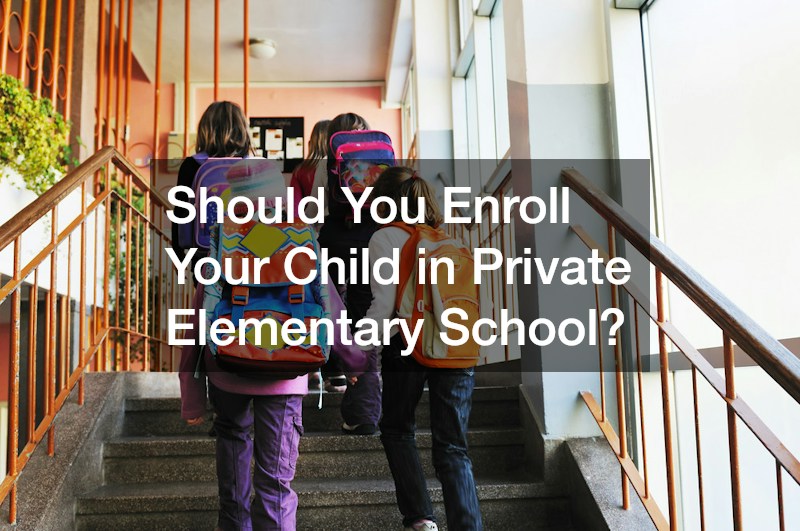
Choosing the right school is an important decision that can shape your child’s academic development, social experiences, and attitude toward learning. During the elementary years, children build foundational skills in reading, writing, mathematics, and communication while learning how to interact with others and navigate new challenges. Finding an educational environment that supports these needs can help your child develop confidence and a lasting interest in learning.
For many parents, private education is worth considering. However, deciding whether it is the right fit involves looking beyond academic performance or school reputation.
Factors such as teaching methods, classroom environments, extracurricular opportunities, and family priorities all play a role. Understanding what private education offers can help you determine whether this option aligns with your child’s needs and your educational goals.
Consider Your Child’s Individual Learning Needs
Every child learns differently. Some children thrive in structured environments with clearly defined expectations, while others benefit from more flexible approaches that encourage exploration and creativity. Before making a decision, consider your child’s learning style, strengths, interests, and areas where additional support may be helpful.
A private elementary school may offer educational approaches designed to accommodate different learning needs. Depending on the institution, students might participate in hands-on projects, collaborative activities, individualized instruction, or lessons that connect classroom concepts to everyday experiences.
These approaches can help children engage with new material in ways that feel meaningful to them. For example, a student who enjoys building and experimenting may benefit from project-based activities that introduce science and mathematics through practical experiences.
It is important to remember that private schools vary considerably in their teaching philosophies and available resources. Ask how teachers support students who need extra help, challenge those who advance quickly, and recognize different learning preferences. Understanding these practices can help you determine whether a school’s approach is appropriate for your child.
Explore Class Sizes and Teacher Interaction
The classroom environment can influence how comfortable children feel participating in lessons, asking questions, and developing relationships with their teachers. Some parents consider private education because they want their children to receive more individualized attention throughout the school day.
Class sizes vary between institutions, but some private schools maintain smaller classrooms that allow teachers to observe students’ progress more closely. With fewer students to manage, educators may have additional opportunities to provide feedback, recognize learning difficulties, and encourage participation.
Consistent teacher interaction can also help children feel supported as they adjust to new academic expectations. During elementary school, students are still developing the confidence to express their ideas, ask for clarification, and work through unfamiliar problems. Having an approachable teacher can make these experiences more comfortable.
When visiting a school, ask about typical class sizes, teacher qualifications, and the ways educators communicate with parents. You can also ask how teachers monitor academic progress and address behavioral or social concerns.
Rather than assuming that smaller classes automatically provide a better education, consider how teachers use their available time and resources to support students.
Review the Academic Curriculum and Teaching Philosophy
Academic programs can differ significantly between schools. Some emphasize traditional instruction in core subjects, while others incorporate specialized programs, interdisciplinary projects, or alternative educational philosophies.
When evaluating your options, review how each school teaches reading, writing, mathematics, science, and social studies. These subjects provide the foundation children need for future academic growth, so it is important to understand how the curriculum develops essential skills over time.
You may also want to explore whether the school incorporates art, music, technology, physical education, and foreign language instruction. These subjects can introduce children to new interests while supporting creativity, problem-solving, and communication.
A private elementary school may also offer specialized educational approaches, such as Montessori-inspired learning, inquiry-based instruction, or project-based education. Each approach emphasizes different aspects of the learning experience, so consider which philosophy best aligns with your child’s personality and your expectations.
Ask whether the school follows an established curriculum, how student progress is assessed, and how teachers prepare children for the next stage of their education. Reviewing these details can help you look beyond promotional materials and understand what students experience in the classroom.
Evaluate Social Development and Extracurricular Opportunities
Elementary school is about more than academic achievement. Children also learn how to cooperate, resolve disagreements, develop friendships, and understand perspectives different from their own.
As you compare schools, consider how they encourage positive social interactions and create an inclusive classroom environment. Ask how teachers address conflicts, support emotional development, and help students build respectful relationships.
Extracurricular activities can provide additional opportunities for children to discover their interests and develop new skills. Depending on the school, offerings may include sports, visual arts, music, drama, academic clubs, or community projects.
These experiences can help students practice teamwork, develop perseverance, and explore activities they might not encounter elsewhere. However, the number of available programs matters less than whether the offerings are meaningful and accessible to your child.
If possible, attend a school tour or open house to observe how students interact with teachers and classmates. Ask about the school’s approach to student well-being and the opportunities available outside regular academic lessons. A welcoming environment can contribute to a more positive school experience.
Compare Tuition Costs With Your Family’s Budget
Private education can represent a substantial financial commitment, making affordability an important part of the decision. Tuition is only one expense to consider, as families may also pay for uniforms, books, supplies, transportation, meals, technology, and extracurricular activities.
Before enrolling your child, request a detailed breakdown of the school’s fees. Ask whether tuition changes between grade levels and whether additional expenses are required throughout the academic year.
Some institutions offer financial aid, scholarships, sibling discounts, or payment plans. Availability and eligibility requirements differ, so contact the admissions office to learn which options may apply to your circumstances.
Consider how tuition would fit into your household budget over several years rather than evaluating only the first year’s cost. You may also want to compare the total expenses with those associated with other educational options.
The goal is to identify an arrangement that supports your child’s education without placing unnecessary pressure on your family’s finances. A school can offer appealing programs, but it should also be a realistic long-term choice.
Decide Whether Private Elementary Education Is the Right Fit
Ultimately, the decision to enroll your child in private education depends on your family’s priorities and the specific opportunities available at each school. Consider your child’s learning needs, the quality of classroom instruction, social development, extracurricular programs, and overall affordability.
Visiting campuses, speaking with teachers, reviewing academic expectations, and asking questions about daily school life can provide a clearer picture of what each institution offers. You should also involve your child in age-appropriate conversations about their interests and feelings toward a potential school.
A private elementary school may be an excellent choice when its educational philosophy, learning environment, and resources align with your child’s needs. However, the best decision is not necessarily the most expensive or prestigious option. It is the school where your child can feel supported, develop essential skills, build relationships, and grow into a confident learner.
Take time to compare your options and schedule a visit to schools that interest you. By understanding what each environment offers, you can make a thoughtful decision that supports your child’s educational journey.
Related Posts
Choosing the Right Childcare Option for Your Family
Selecting the right childcare option is one of the most important decisions parents face. With so many factors to consider—such…
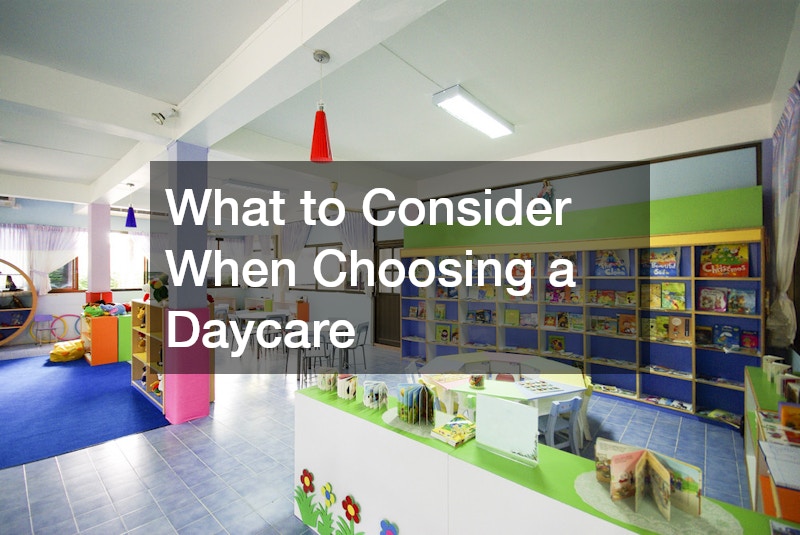
What to Consider When Choosing a Daycare
Choosing a daycare for your child is a significant decision. It’s essential to ensure the daycare offers a safe, nurturing,…
Sunday School for Kids Making Faith Fun and Engaging
Sunday school for kids offers a unique opportunity to shape young minds towards a path of faith. In today’s fast-paced…