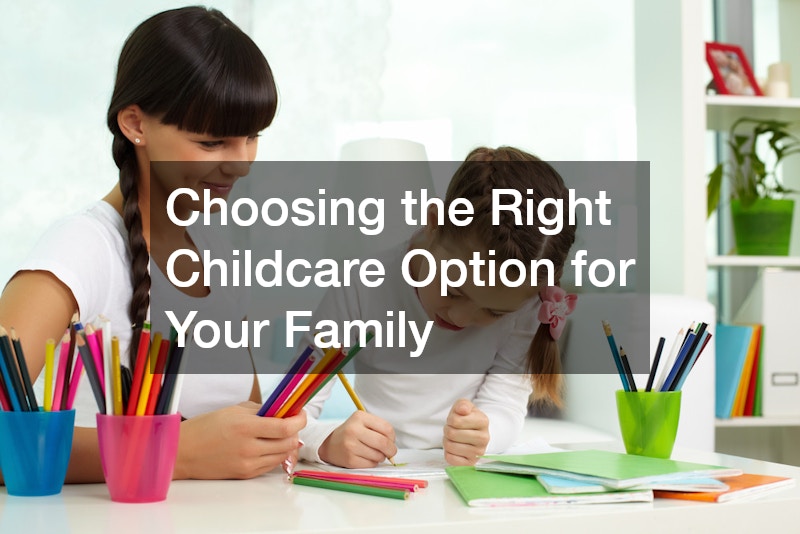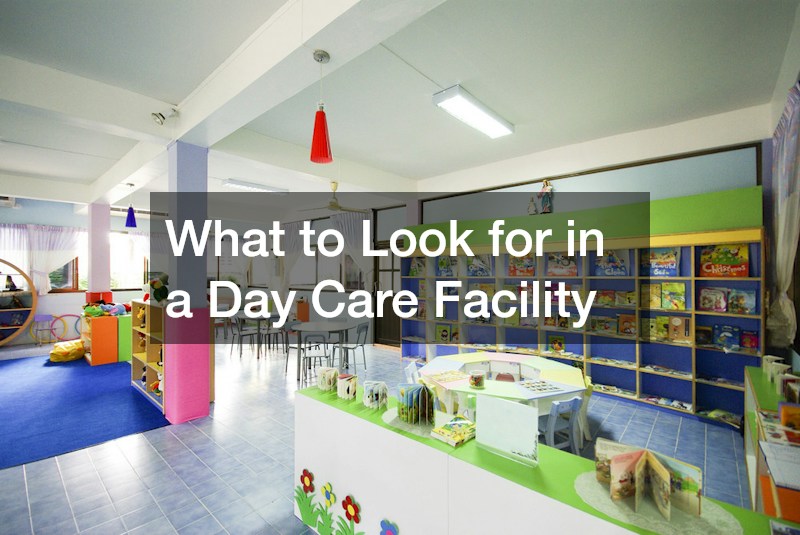
Choosing the right day care facility for your child is a critical decision that can significantly impact their early development and well-being. Parents often face the challenging task of balancing quality with convenience, cost, and comfort. With the increasing demand for quality child-care services, understanding what to look for in a day care facility can help ensure that your child receives the nurturing care and education they deserve.
Safety and Security Considerations
Ensuring the safety of your child is paramount when selecting a day care facility. Start by examining the physical environment for hazards such as unsafe playground equipment, exposed wiring, or slippery floors. Also, confirm that the facility complies with local and state safety standards having the necessary certifications and licenses displayed prominently.
Effective security measures are essential in protecting your child while at the day care. The presence of secure entry systems, such as key card access or dedicated entry staff, can help restrict unauthorized access. Additionally, a well-planned layout with designated pick-up and drop-off areas ensures that children can transition safely under supervision.
Staff training and background checks are crucial for maintaining a safe space for children. Ensure that everyone who works at the day care facility has undergone comprehensive background checks and is well-trained in child safety, first aid, and emergency procedures. The staff’s ability to handle emergencies plays a significant role in child safety, so check their preparedness and policies concerning any possible scenarios.
Qualifications of Staff
The qualifications and experience of the staff are fundamental to providing quality care and education. Look for staff members with relevant educational backgrounds and certifications in early childhood education. Such qualifications ensure that they have a solid understanding of child development stages and best practices in child care.
Experience in working with children is invaluable and contributes to the staff’s proficiency in managing various child behaviors and personalities. Staff who have spent considerable time working with children can be better at developing strong rapport and providing tailored care. A low staff-to-child ratio is important, as it usually translates to more personalized attention and care for each child.
Professional development opportunities are also important for day care facility staff to stay updated with the latest educational strategies and childcare techniques. Facilities that invest in ongoing training for their staff show a commitment to providing high-quality care. Likewise, the implementation of rigorous employee screening processes ensures that only the most qualified individuals are entrusted with your child’s care.
Curriculum and Activities
An effective curriculum caters to various developmental stages and stimulates children’s cognitive, physical, and emotional growth. Ensure the day care facility offers age-appropriate learning programs that focus on building essential skills while fostering curiosity and creativity. Moreover, the curriculum should balance play with structured activities to encourage both independent exploration and guided learning.
Supporting individual development within the group environment is key to fostering each child’s unique abilities and talents. A well-designed program will include opportunities for individualized attention and feedback. Parents should be offered opportunities to be involved, whether through regular updates, participation in events, or input on curriculum planning.
Flexibility and responsiveness to changes in the curriculum cater to the evolving needs of the children and adapt to any feedback from parents or updates in educational standards. A responsive program sustains a dynamic learning environment that grows with the children. The day care facility should encourage open communication between staff and parents to ensure that their approach aligns with each family’s values and expectations.
Nutritional Guidelines and Food Safety
Nutrition is a fundamental element of a child’s day at a day care facility, influencing their energy levels and cognitive function. Facilities should comply with nutritional guidelines to offer balanced, healthy meals that meet children’s dietary needs. Inquire about meal planning and any options provided for children with particular dietary requirements, such as allergies or cultural considerations.
Strict adherence to food safety standards is imperative in preventing any health risks related to nutrition. Check whether the facility has clean, organized kitchen areas and follows proper food handling procedures. Portion sizes also matter, ensuring that each child receives enough nourishment to fuel their activities throughout the day.
Encouraging healthy eating habits is part of teaching children about nutrition and self-care. A day care facility that integrates nutrition education into its programs helps children make better dietary choices. The focus should be on introducing a variety of foods, emphasizing the joy of balanced eating.
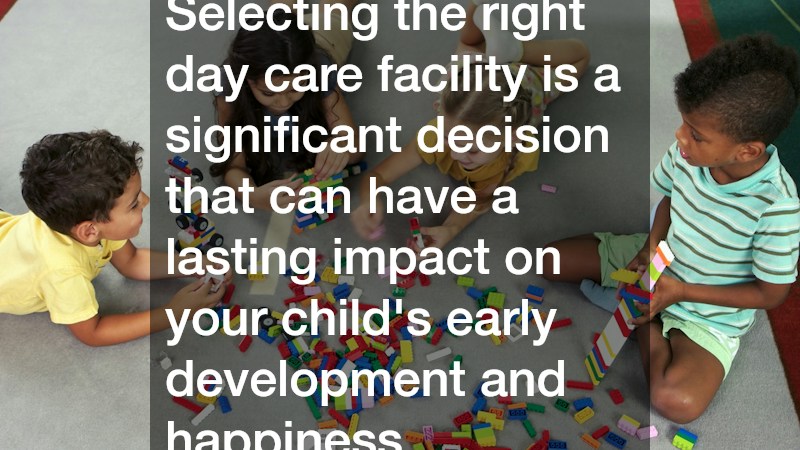
Selecting the right day care facility is a significant decision that can have a lasting impact on your child’s early development and happiness. By focusing on safety, staff qualifications, engaging curricula, good nutrition, and a positive environment, parents can make well-informed choices. Prioritizing these factors ensures peace of mind and optimal conditions for your child’s growth and exploration.