Education is not a destination but a lifelong journey that begins far earlier than the first day of school. As parents, our role as the primary educator evolves from a nurturer of basic needs to a facilitator of complex life decisions. Supporting a child’s intellectual and emotional growth requires a balance of intuition, research, and the willingness to adapt as the child grows. This comprehensive guide explores how to champion your child’s growth through every developmental milestone, from the first spark of curiosity to the threshold of independence.
The Foundation Begins Before Birth

The roadmap for a child’s education is often drafted before they take their first breath. Science increasingly shows that the prenatal environment is a critical period for child development. Stress levels, nutrition, and environmental factors during pregnancy can influence the architecture of the developing brain, setting the stage for future cognitive and emotional resilience. Building a learning-ready home starts with creating a low-stress, health-conscious environment where the parents’ own relationship with learning is prioritized.
As you prepare for the baby’s arrival, it is essential to discuss and choose caregiving philosophies that align with your family’s values. Some parents are drawn to specific methods like RIE (Resources for Infant Educarers) or Attachment Parenting, while others focus on a more traditional, routine-based approach. Whatever your preference, these early decisions dictate how you will later select educational institutions. Understanding your own values helps you filter through the noise of modern parenting advice and focus on what will truly benefit your unique child.
Nurturing Your Newborn’s Growing Mind
Once your baby arrives, the world becomes their first classroom. Simple acts like skin-to-skin contact, talking, and reading aloud spark millions of neural connections every second. Even though a newborn cannot understand the plot of a story, the rhythm of your voice and the proximity of your body build the secure attachment necessary for all future learning. In these early months, the focus is not on flashcards or academic milestones, but on sensory input and emotional safety.
For many families, returning to work necessitates looking for quality infant care. When evaluating providers, look for low caregiver-to-child ratios, high sanitation standards, and a staff that prioritizes responsive care rather than just passive supervision. Many parents find themselves balancing parental leave with trusted daycare options in the first year. A high-quality daycare should feel like an extension of your home—a place where your infant’s cues are read with sensitivity and their physical needs are met with warmth. This transition is often harder on the parent than the child, but finding a provider you trust allows you to return to professional life knowing your child is in an environment that values their early cognitive needs.
Choosing the Right Environment for Your Toddler
As your child transitions from infancy to toddlerhood, their curiosity explodes. This age, typically one through three, is defined by a drive for independence and a need for physical exploration. Understanding different learning philosophies is crucial during this stage. Some families prefer the structured socialization and curriculum of a formal early childhood center, while others opt for the intimacy of home-based care. An early childhood center often provides a broader range of peer interactions and specialized equipment designed for gross motor development that a home setting might lack.
When touring toddler programs, pay attention to “green flags” like teachers who get down on the child’s eye level, plenty of open-ended art materials rather than pre-made crafts, and a safe outdoor space. “Red flags” include excessive screen time, a lack of cleanliness, or staff who seem overwhelmed and disengaged. Your toddler needs an environment that encourages safe exploration and provides clear, gentle boundaries. This stage is less about “academics” and more about learning how to be part of a community and how to navigate the world with a sense of wonder.
Making the Most of the Preschool Years
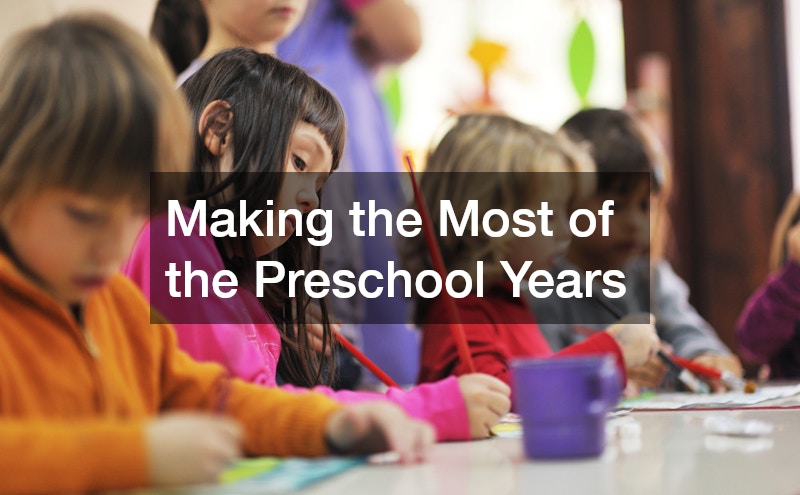
Preschool is often a child’s first introduction to a community outside their family. At this stage, play-based learning is the gold standard for shaping social and academic readiness. Through play, children learn how to negotiate, problem-solve, and manage their emotions. For parents seeking specific methodologies, exploring the benefits of a Montessori preschool can be eye-opening. The Montessori approach emphasizes self-directed activity and hands-on learning, allowing children to move at their own pace in a “prepared environment” that respects their individual interests.
Alternatively, the rise of the nature preschool movement has highlighted the importance of outdoor education. In these settings, the “classroom” is the woods, the fields, or the garden, fostering a deep connection to the environment while building physical stamina and sensory awareness. When visiting any preschool, ask about their approach to conflict resolution and how they support diverse learning styles. The right preschool should make your child feel capable and curious, ensuring they view school as a place of discovery rather than a place of restriction.
Navigating the Transition to Kindergarten
The leap to “big school” is a major family milestone. Assessing whether your child is emotionally and academically ready for kindergarten involves looking beyond their ability to recognize letters or count to twenty. Can they follow a two-step direction? Can they handle the frustration of a difficult task? Are they able to share tools with a peer? These social-emotional skills are often more predictive of long-term success than early literacy.
To identify the best kindergarten for your family, research both public and private options in your area. Look at class sizes, the school’s philosophy on homework, and how much time is dedicated to recess and the arts. Easing separation anxiety is a team effort; attend orientation days, walk the school perimeter together, and build first-day confidence by practicing the new routine weeks before the bells ring. A positive start to kindergarten sets the tone for the rest of their elementary years, helping them view themselves as successful learners.
Supporting Learning During the Elementary Years
Elementary school is a time of rapid academic acquisition. As a parent, your role shifts toward supporting the habits that make learning possible. Creating a consistent homework routine and a distraction-free study space at home helps children internalize the value of focused work. Communication with teachers is also paramount. Rather than waiting for parent-teacher conferences, maintain an open line of communication to stay informed about your child’s progress and any challenges they may face.
Beyond the classroom, using after-school activities to reinforce child development milestones can be highly effective. Whether it’s a sports team to build teamwork or a coding club to foster logic, these activities should be driven by the child’s interest rather than parental pressure. The goal is to develop a “growth mindset,” where the child understands that their abilities can be developed through dedication and hard work. By elementary school, children start to form an academic identity; your job is to ensure that identity is one of resilience.
Keeping Kids Engaged Over the Summer
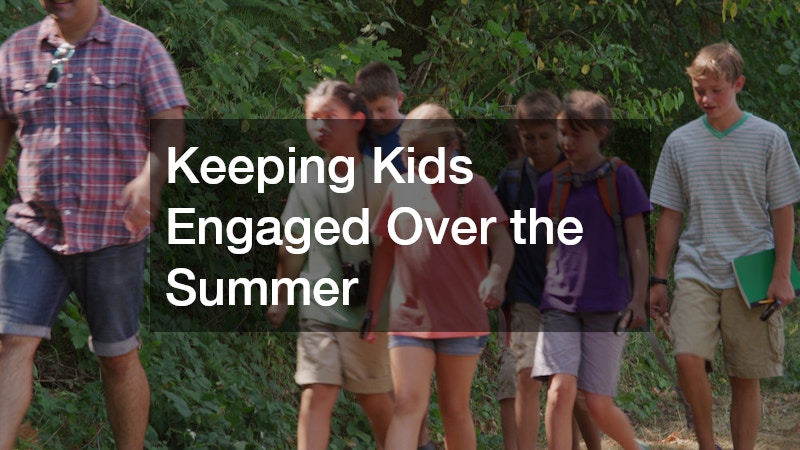
The “summer slide”—the loss of academic skills during the long break—is a common concern for parents and educators alike. However, summer is also a vital time for rest and rejuvenation. Unstructured time is just as valuable as organized programming, as it forces children to use their imagination and manage their own boredom. When you do look for structured experiences, finding summer camps that match your child’s interests—be it space, theater, or wilderness survival—can ignite a passion that carries back into the school year.
Preventing the summer slide doesn’t require a desk and a workbook. It can be achieved through travel, family reading challenges, or creative projects like building a backyard birdhouse or starting a small business. The key is to keep the brain active in ways that feel like a break from the traditional school grind. Summer is the perfect time for “deep dives” into subjects the school curriculum might skip.
Planning for the Middle School Years
Middle school brings about significant social and emotional shifts. Early adolescence is a period of intense identity formation, and the academic stakes begin to rise as subjects become more specialized. Parents must decide whether preparatory schools—which often offer specialized curricula, higher academic rigor, and smaller class sizes—are the right fit for their middle schooler’s specific needs. These schools can provide a rigorous foundation for those aiming for competitive higher education paths later on.
Regardless of the school type, this is the time to focus on building executive function skills. Organization, time management, and the ability to break down large projects into manageable steps are skills that must be explicitly taught. As the academic pressure intensifies, your child needs to know how to manage their workload without burning out. Encouraging them to take ownership of their schedule is the first step toward adult independence.
Setting Your Teen Up for High School Success
High school is the final staging ground before adulthood. When evaluating high schools, consider the diversity of options available: public, private, magnet, and charter schools each offer different advantages. Some may focus on STEM, while others specialize in the performing arts or international baccalaureate programs. Involve your teen in this decision-making process to give them a sense of agency over their education.
During these four years, the challenge for parents is encouraging independence while staying involved. Your teen needs to learn how to advocate for themselves with teachers and coaches. Balancing extracurriculars, part-time work, and academic performance is a delicate dance. Your role is to be a safety net and a sounding board, helping them navigate the inevitable stresses of teenage life while keeping their long-term goals in sight. It is a time to shift from “manager” to “coach,” offering guidance rather than direct control.
Preparing Your Young Adult for Life Beyond the Classroom

As high school draws to a close, the focus shifts to the future. College planning is a major undertaking, but it is important to keep an open mind about other paths. Gap years, vocational training, and immediate entry into the workforce are all valid choices depending on the individual’s temperament and goals. The goal is to find a path that aligns with their skills and passions rather than following a one-size-fits-all trajectory.
Before they leave the nest, ensure they have the “hidden curriculum” of life down pat. Teaching financial literacy—budgeting, understanding credit, and basic taxes—is just as important as any academic subject. They should also know how to cook a few basic meals, do their own laundry, and manage their health. Staying connected and supportive as your child steps into adulthood means transitioning to a consultant role. They need to know you are there for them, but they also need the space to make their own mistakes and celebrate their own victories.
Supporting a child’s education is a marathon, not a sprint. It begins with the quiet, rhythmic moments of infancy and culminates in the complex, life-altering decisions of early adulthood. By choosing the right environments—from the initial infant care and daycare settings to the best kindergarten and specialized high schools—you provide the scaffolding upon which they build their lives. Whether you choose a nature preschool to foster a love of the earth or a preparatory school to sharpen the mind, the most important factor is your presence and your belief in their potential. Education is the greatest gift we can give our children, and being their primary advocate through every stage of development is the most rewarding role we can play.
Ultimately, the journey of supporting your child’s education is less about finding a single perfect path and more about maintaining a constant, adaptive presence in their lives. From the sensory-rich days of infant care and daycare to the rigorous academic demands of high schools and preparatory schools, your role is to provide the steady foundation upon which they can build their own world. Whether you choose the self-directed freedom of a Montessori preschool, the outdoor exploration of a nature preschool, or the community-focused environment of a top-tier early childhood center, the goal remains the same: to foster a resilient, curious individual who views learning as a lifelong adventure. By staying informed, involved, and empathetic, you ensure that as they transition into adulthood, they possess not just the academic credentials for success, but the character and confidence to navigate whatever lies ahead.